For more than twenty years, search engines have been the primary gateway to information on the internet. Bloggers, publishers, and businesses have relied heavily on search engine optimization (SEO) to attract visitors, generate leads, and grow their online presence. Ranking on the first page of search results was often the difference between a thriving website and one that struggled to gain attention.
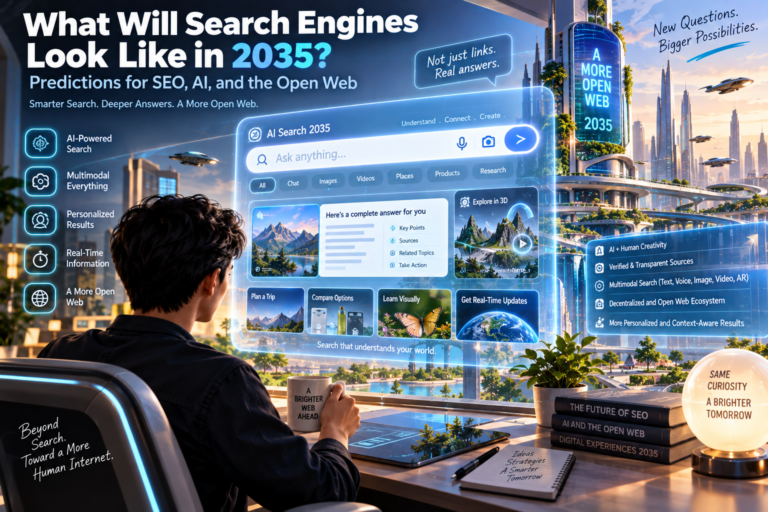
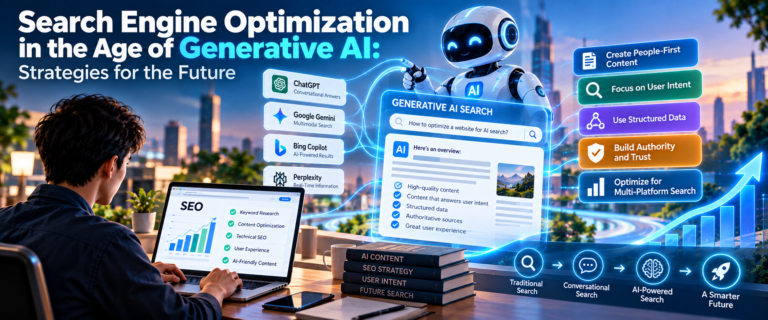
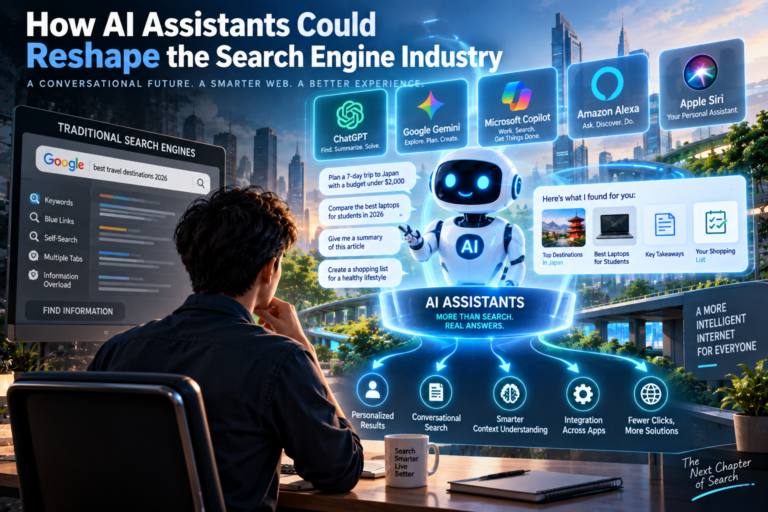
Today, however, the search landscape is undergoing one of its biggest transformations yet. Artificial intelligence (AI) is changing how people search for information, how search engines deliver answers, and how websites earn traffic. AI-powered search experiences, conversational assistants, and intelligent content summaries are redefining what it means to be visible online.
For website owners and bloggers, this shift presents both challenges and opportunities. Understanding how AI search works and adapting to these changes is becoming essential for long-term success.
The Rise of AI-Powered Search
Traditional search engines displayed a list of blue links, allowing users to choose which websites to visit. While this model still exists, modern search engines increasingly provide direct answers generated by artificial intelligence.
AI can analyze multiple sources, understand the context behind a question, and generate natural-language responses within seconds. Instead of searching with short phrases like “best laptops,” users now ask complete questions such as:
- Which laptop is best for video editing under $1,000?
- How can I improve my website’s loading speed?
- What are the advantages of cloud hosting for small businesses?
These conversational searches require search engines to understand intent rather than simply matching keywords.
Website Traffic Is Becoming More Competitive
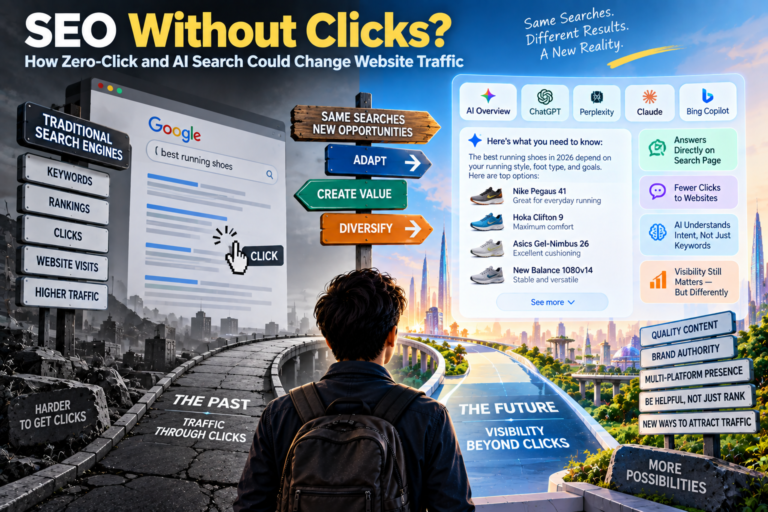
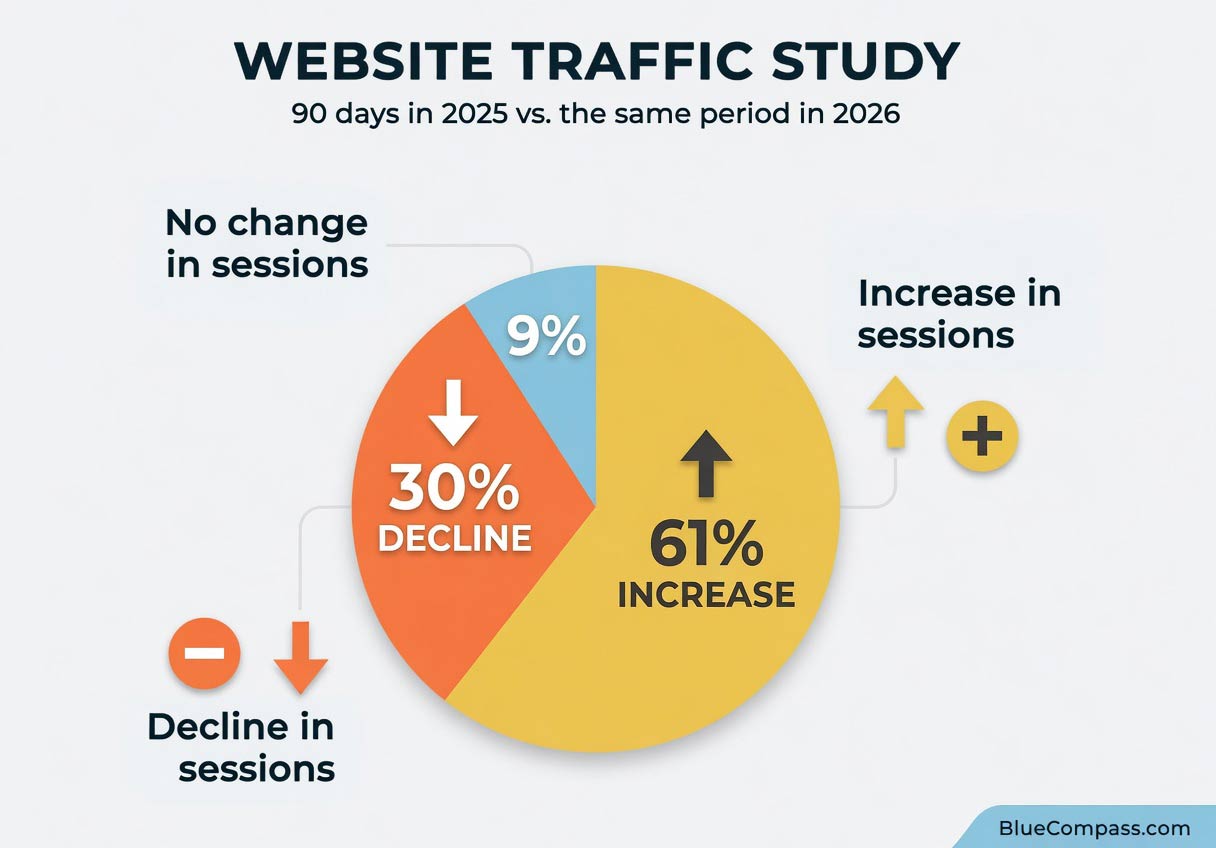
One noticeable effect of AI search is that users often receive answers without clicking through to a website. AI-generated summaries can satisfy simple informational queries directly on the search results page.
This trend has raised concerns among publishers because fewer clicks may lead to lower organic traffic for certain types of content.
However, not every search can be answered with a short summary. Users still visit websites when they need:
- Detailed tutorials
- Product reviews
- Expert analysis
- Case studies
- Original research
- Personal experiences
- Downloadable resources
- Interactive tools
Websites that provide unique value continue to attract visitors despite the growth of AI-generated answers.
Content Quality Matters More Than Ever
Artificial intelligence has made it easier to generate content quickly, but quantity alone no longer guarantees visibility.
Modern search engines prioritize content that demonstrates genuine expertise and provides meaningful value to readers.
High-quality content typically includes:
- Accurate information
- Real-world examples
- Practical advice
- Original opinions
- Updated statistics
- Clear explanations
Readers appreciate content that answers their questions thoroughly instead of repeating information already available elsewhere.
Experience Creates Competitive Advantage
One area where human creators still outperform AI is personal experience.
For example, a travel blogger sharing first-hand experiences from visiting Iceland provides insights that AI cannot fully replicate.
Similarly, a web developer explaining lessons learned from optimizing hundreds of websites offers practical knowledge beyond generic advice.
Experience adds authenticity, credibility, and trust to content.
AI Rewards Well-Structured Articles
Modern AI systems analyze content more effectively when it is logically organized.
A well-structured article typically includes:
- Descriptive headings
- Short paragraphs
- Bullet points
- Numbered steps
- Frequently asked questions
- Clear conclusions
This organization improves readability for both users and AI systems, increasing the likelihood that content will be referenced or cited in AI-generated search experiences.
Topical Authority Is Becoming Essential
Rather than publishing isolated articles targeting individual keywords, successful websites increasingly focus on becoming authorities within specific topics.
For example, a technology blog may create comprehensive content covering:
- Web hosting
- Domain names
- Website security
- SEO
- Cloud computing
- WordPress optimization
- Artificial intelligence
When a website consistently publishes high-quality content around a central subject, search engines gain greater confidence in its expertise.
This concept is known as topical authority.
Search Intent Is More Important Than Keywords
Traditional SEO often emphasized exact keyword placement.
Modern AI search focuses on understanding what users actually want.
Someone searching for:
“How can I speed up my WordPress website?”
may be looking for:
- Better hosting
- Image optimization
- Caching plugins
- Content delivery networks
- Database optimization
A comprehensive article covering all these aspects is more valuable than one that simply repeats the keyword throughout the page.
Building Trust Is Critical
Trust has become one of the strongest signals in modern search.
Readers and search engines both value websites that provide:
- Transparent author information
- Accurate facts
- Updated content
- Reliable references
- Honest product recommendations
- Clear contact information
Building trust encourages repeat visitors and strengthens a website’s long-term reputation.
Diversify Beyond Search Engines
While organic search remains valuable, relying entirely on search traffic is increasingly risky.
Successful publishers build audiences through multiple channels, including:
- Email newsletters
- YouTube
- Podcasts
- Social media
- Online communities
- Industry forums
Diversifying traffic sources reduces dependence on search algorithms and creates more sustainable growth.
AI Can Be a Helpful Tool
Instead of viewing AI as a competitor, bloggers can use it to improve productivity.
AI can assist with:
- Brainstorming ideas
- Creating outlines
- Improving grammar
- Summarizing research
- Generating headline suggestions
- Organizing content
However, human creativity remains essential for adding originality, expertise, and personality to every article.
The best results often come from combining AI efficiency with human knowledge and editorial judgment.
The Future of Blogging
Despite predictions that blogging is becoming obsolete, high-quality blogs continue to play an important role in the digital ecosystem.
Readers still seek trustworthy sources that provide depth, practical advice, and authentic perspectives.
Successful blogs of the future will focus on:
- Solving real problems
- Publishing original insights
- Sharing first-hand experiences
- Updating older articles
- Building communities around their niche
Rather than producing hundreds of low-value articles, many publishers are choosing to create fewer but more comprehensive resources.
Practical Strategies for Website Owners
To remain competitive in the age of AI search, consider these best practices:
- Write for people before search engines.
- Understand user intent behind every topic.
- Publish original, experience-based content.
- Build topical authority within your niche.
- Keep articles updated regularly.
- Improve page speed and mobile usability.
- Use descriptive headings and logical formatting.
- Strengthen internal linking across related articles.
- Diversify traffic through newsletters and social media.
- Focus on long-term trust instead of short-term ranking tricks.
These strategies help websites remain valuable regardless of future algorithm changes.
Conclusion
Artificial intelligence is reshaping how people discover information online, but it is not eliminating the need for high-quality websites and blogs. Instead, it is raising the standards for what deserves visibility.
Websites that rely solely on outdated SEO techniques may experience declining traffic, while those that prioritize helpful content, user experience, expertise, and trust are more likely to thrive. AI search rewards creators who provide genuine value, unique perspectives, and comprehensive answers that cannot easily be replaced by automated summaries.
The future of website traffic and blogging belongs to publishers who embrace change rather than resist it. By combining human creativity with thoughtful SEO practices and a deep understanding of user needs, bloggers can continue to build successful websites that attract loyal readers and achieve sustainable growth in the evolving world of AI-powered search.
About the Author