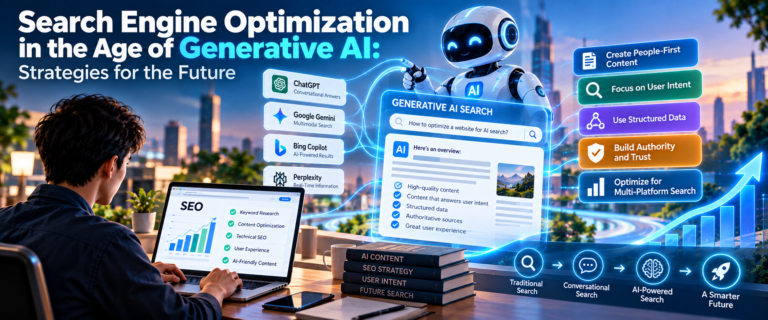
Search engine optimization (SEO) is an ongoing process rather than a one-time task. Many website owners invest significant time and effort into improving their rankings, only to see their organic traffic decline because of avoidable mistakes. Search engines continuously update their algorithms to provide users with the most relevant, trustworthy, and helpful content. As a result, outdated SEO practices or overlooked technical issues can negatively affect your website’s visibility.
Whether you run a personal blog, an e-commerce store, or a business website, understanding common SEO mistakes can help you maintain strong rankings and attract consistent organic traffic. In this article, we’ll explore ten of the most common SEO mistakes and explain how to avoid them.
1. Publishing Low-Quality or Thin Content
One of the biggest reasons websites lose rankings is publishing content that provides little value to readers.
Thin content often includes:
- Very short articles with minimal information
- Pages created only to target keywords
- Duplicate or rewritten content
- AI-generated articles without human editing
- Outdated information
Search engines prioritize helpful content that answers users’ questions thoroughly. Instead of publishing dozens of short articles, focus on creating comprehensive resources that genuinely solve problems.
How to Fix It
- Write detailed, informative articles.
- Include examples, statistics, and practical advice.
- Update old content regularly.
- Remove or improve weak pages.
2. Ignoring Search Intent
Many websites focus too much on keywords without understanding why users are searching.
For example, someone searching for “best website builder” probably wants:
- Product comparisons
- Pricing information
- Pros and cons
- User reviews
- Recommendations
A page that only repeats the keyword without answering these questions is unlikely to rank well.
How to Fix It
Before writing, ask yourself:
- What problem is the user trying to solve?
- What information do they expect?
- Can I provide a more complete answer than competing websites?
Understanding search intent leads to more valuable content and higher engagement.
3. Keyword Stuffing
Years ago, repeating the same keyword throughout an article could improve rankings.
Today, keyword stuffing can hurt both readability and SEO.
Instead of writing naturally, some websites still produce sentences like:
“Our SEO company offers SEO services because SEO is the best SEO solution.”
Modern search engines understand synonyms, context, and natural language.
How to Fix It
- Write naturally for readers.
- Use related phrases and variations.
- Focus on covering the topic comprehensively rather than repeating keywords.
4. Slow Website Performance
Page speed directly affects user experience.
Visitors expect websites to load within a few seconds. Slow pages often result in:
- Higher bounce rates
- Lower engagement
- Reduced conversions
- Poor mobile experience
Search engines consider website performance as one of many ranking signals.
How to Fix It
- Compress images.
- Enable browser caching.
- Minimize unnecessary scripts.
- Choose reliable web hosting.
- Optimize CSS and JavaScript files.
A faster website creates a better experience for both users and search engines.
5. Poor Mobile Optimization
Most internet users now browse using smartphones.
If your website is difficult to navigate on mobile devices, visitors may quickly leave.
Common mobile issues include:
- Tiny text
- Buttons that are difficult to tap
- Slow loading times
- Broken layouts
- Intrusive pop-ups
How to Fix It
Use a responsive website design that adapts to different screen sizes and regularly test your pages on mobile devices.
6. Neglecting Internal Linking
Internal links help search engines understand the relationship between different pages on your website.
Without proper internal linking:
- Important pages may receive less visibility.
- Visitors struggle to discover related content.
- Search engines may crawl your site less efficiently.
How to Fix It
Link naturally to relevant articles whenever appropriate.
For example, an article about WordPress optimization can link to related guides on caching, web hosting, or website security.
Strong internal linking improves both SEO and user experience.
7. Forgetting to Update Older Content
Search engines favor content that remains accurate and relevant.
An article published several years ago may contain:
- Outdated statistics
- Broken links
- Old screenshots
- Obsolete recommendations
Fresh content demonstrates that your website remains active and trustworthy.
How to Fix It
Schedule regular content audits.
Update:
- Facts
- Images
- Recommendations
- Examples
- References
Refreshing existing articles often produces faster SEO improvements than creating entirely new content.
8. Poor Technical SEO
Even outstanding content may struggle if technical SEO issues prevent search engines from properly crawling your website.
Common technical problems include:
- Broken links
- Missing XML sitemap
- Duplicate URLs
- Crawl errors
- Improper redirects
- Missing canonical tags
How to Fix It
Regularly monitor your website using SEO auditing tools and fix technical issues before they affect rankings.
A technically healthy website helps search engines understand and index your content efficiently.
9. Ignoring User Experience
Search engines increasingly reward websites that provide excellent user experiences.
Visitors appreciate websites that are:
- Easy to navigate
- Visually clean
- Fast
- Secure
- Accessible
Poor design can increase bounce rates and reduce visitor satisfaction.
How to Fix It
Focus on:
- Clear navigation menus
- Readable typography
- Logical page structure
- Simple layouts
- HTTPS security
Happy visitors often spend more time on your website, which supports long-term SEO performance.
10. Chasing Short-Term SEO Tricks
Many website owners still look for shortcuts such as:
- Buying backlinks
- Using automated link schemes
- Publishing mass-produced content
- Cloaking
- Hidden keywords
These tactics may provide temporary improvements but often lead to penalties or ranking losses over time.
How to Fix It
Invest in sustainable SEO strategies, including:
- Helpful content
- Natural backlinks
- Strong branding
- Technical optimization
- Positive user experience
Long-term success comes from earning trust rather than manipulating algorithms.
Best Practices for Sustainable SEO
Avoiding mistakes is only part of the equation. To maintain healthy organic rankings over time, follow these proven practices:
- Create original, valuable content.
- Research user intent before writing.
- Optimize page speed.
- Build topical authority in your niche.
- Publish consistently.
- Keep your website mobile-friendly.
- Strengthen internal linking.
- Update existing articles regularly.
- Monitor technical SEO health.
- Focus on helping users first.
These habits support long-term visibility, regardless of future search engine updates.
Conclusion
SEO is constantly evolving, and websites that rely on outdated tactics often struggle to maintain their rankings. Fortunately, many ranking losses can be prevented by avoiding common mistakes such as publishing thin content, ignoring search intent, neglecting technical SEO, or providing a poor user experience.
Rather than chasing quick wins, focus on creating a website that genuinely serves your audience. Publish informative content, maintain a technically sound website, optimize for mobile users, and continually improve your pages based on user needs. Search engines are increasingly designed to reward websites that prioritize quality, trust, and relevance.
By recognizing and correcting these ten common SEO mistakes, you can build a stronger online presence, protect your organic rankings, and create a website that continues to grow even as search algorithms evolve.
About the Author