For many years, search engines primarily acted as directories to the web. Users entered queries and received lists of pages that might contain the answer.
A new model is emerging.
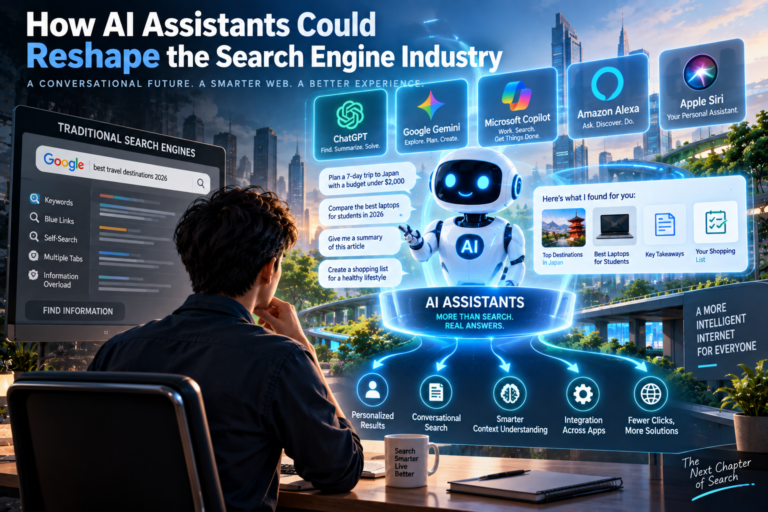
AI-powered systems can increasingly generate answers directly, combining information into conversational responses. These platforms are sometimes described as answer engines because their primary objective is not simply locating pages but helping users obtain an answer.
This shift could have significant consequences for SEO and organic website traffic.
Search Engines Versus Answer Engines
Traditional search engines typically present multiple results and allow users to choose which websites to visit.
Answer engines can add another layer: synthesis.
Instead of requiring a person to read several pages about installing solar panels, an AI system might organize information about costs, installation requirements, advantages, limitations, and maintenance in one response.
Users can then continue the conversation with additional questions.
This creates a faster research experience for certain types of queries.
The Zero-Click Challenge
If an answer appears directly within a search interface, users may not need to click another website.
For publishers, this can reduce traffic from simple informational searches.
Consider a page answering “How many centimeters are in a meter?” There is little reason for most users to visit an entire article when the answer can be displayed instantly.
Publishers may therefore need to reconsider which types of content deserve significant investment.
Information Versus Experience
Information that can be reduced to a short factual answer is particularly vulnerable to zero-click behavior.
Experience is harder to replace.
Suppose someone wants to know whether a particular hiking trail is suitable for beginners.
A basic answer might describe distance and elevation. A valuable website could additionally provide original photographs, maps, trail conditions, transportation information, personal observations, equipment suggestions, and seasonal advice.
The second resource gives users reasons to visit.
Original Data Could Become a Competitive Advantage
Answer engines need information to answer questions.
Publishers that produce original data can become important primary sources.
Businesses and independent websites can conduct surveys, publish industry statistics, perform experiments, interview experts, and document case studies.
Even relatively simple original research can create significant value when the methodology is transparent.
Instead of rewriting statistics from other websites, publishers can become the source that others reference.
SEO May Expand Into Information Optimization
Traditional SEO focuses heavily on visibility within search results.
Future optimization may also involve making information easy for AI systems to understand and attribute appropriately.
This does not mean writing robotic content.
Clear definitions, logical headings, accurate facts, descriptive context, identifiable authorship, and well-organized pages benefit human readers as well.
Publishers should avoid attempting to manipulate AI systems through speculative tricks. Search technology changes rapidly, while useful information has longer-lasting value.
Organic Traffic Will Not Be Equally Affected
Different query categories may experience different effects.
Simple factual questions can often be answered directly.
Complex decisions may still encourage website visits because people want evidence, comparisons, reviews, detailed explanations, and primary sources.
Navigational searches also remain important because users often want to reach a particular destination.
Therefore, discussions about AI search should avoid assuming that every website or query will experience identical changes.
Develop Direct Audience Relationships
Publishers can reduce dependence on search traffic by creating direct connections with readers.
Email newsletters, memberships, online communities, useful tools, downloadable resources, and recognizable brands can encourage repeat visits.
The objective is to transform an anonymous search visitor into someone who remembers the publication.
This strategy has value regardless of how answer engines develop.
Conclusion
Answer engines represent an important evolution in online information discovery.
They can reduce the effort required to research many questions, but they also challenge the traditional relationship between search visibility and website traffic.
Publishers can adapt by focusing on resources that cannot easily be replaced by short summaries: original data, first-hand experience, interactive tools, specialized expertise, and strong communities.
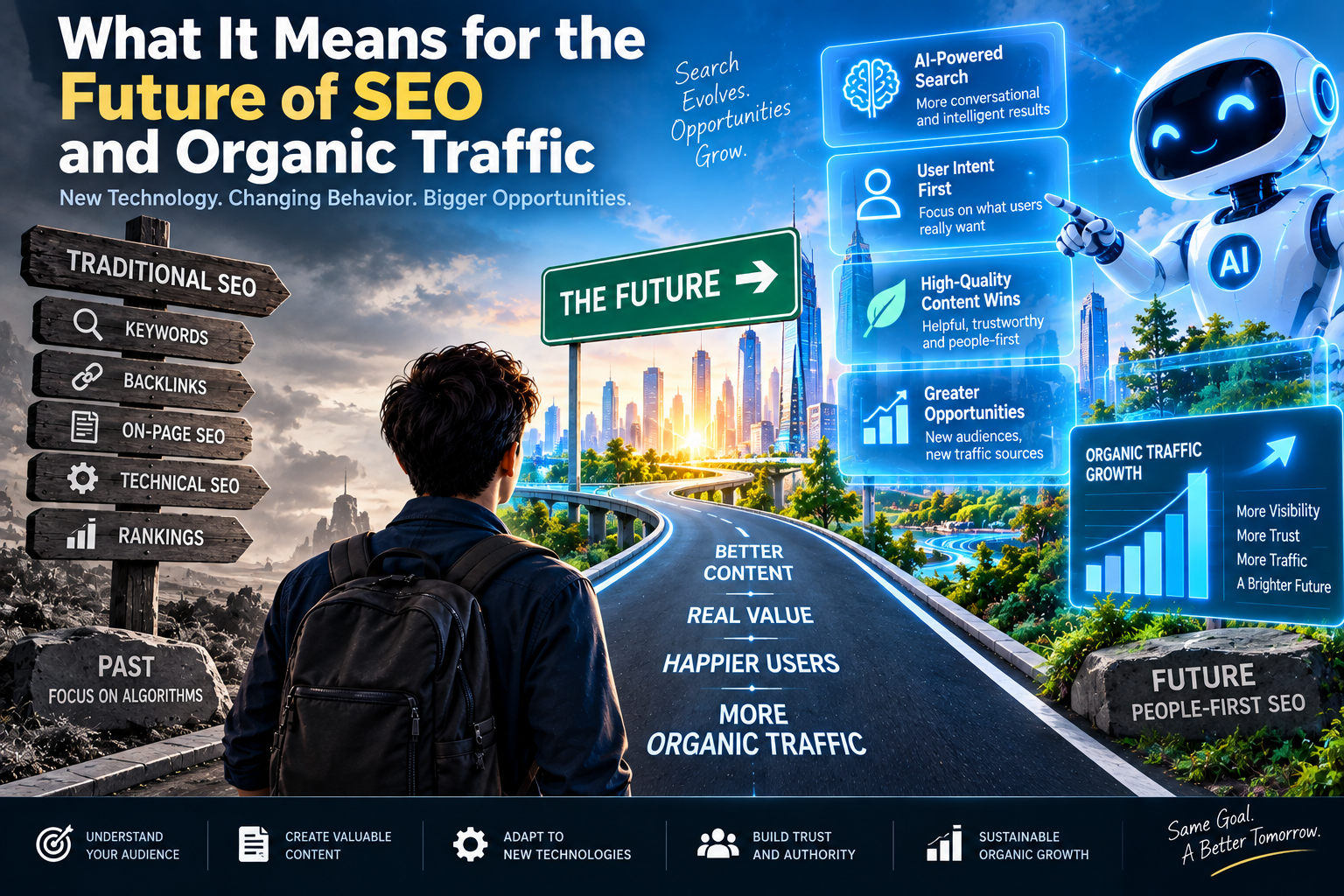
The future of organic discovery may involve fewer clicks for simple answers but potentially greater value for websites that provide information worth exploring in depth.
About the Author