Search engine optimization (SEO) has been one of the most important digital marketing strategies for more than two decades. Businesses, bloggers, and website owners have relied on SEO to improve visibility, attract organic traffic, and grow their online presence. While many traditional SEO practices are still valuable, the way search engines evaluate and rank content has changed dramatically.
Modern search engines are powered by advanced artificial intelligence, machine learning, and user-focused algorithms that prioritize helpful, trustworthy, and relevant information. As a result, simply targeting keywords and building backlinks is no longer enough to achieve long-term success.
In this article, we’ll explore why traditional SEO alone is no longer sufficient and discuss practical strategies for adapting to today’s search landscape.
The Evolution of Search Engines
Years ago, search engines relied heavily on simple ranking factors such as:
- Exact keyword matches
- Meta tags
- Backlink quantity
- Domain age
- Keyword density
Many websites ranked well simply by repeating keywords throughout their pages or acquiring large numbers of backlinks, regardless of content quality.
Today’s search engines work very differently.
Artificial intelligence enables search engines to understand:
- User intent
- Context
- Natural language
- Content quality
- Website credibility
- User experience
Rather than matching keywords alone, modern search engines attempt to deliver the most useful answer for every search query.
User Intent Matters More Than Keywords
One of the biggest changes in SEO is the emphasis on search intent.
For example, someone searching for:
“best web hosting for beginners”
is probably looking for:
- Comparisons
- Recommendations
- Pricing
- Features
- Ease of use
Simply repeating the phrase “best web hosting” dozens of times won’t satisfy the user’s needs.
Instead, successful content answers questions comprehensively and helps readers make informed decisions.
Understanding user intent has become more valuable than keyword stuffing.
Content Quality Is the Primary Ranking Factor
Modern search engines reward content that genuinely helps users.
High-quality content typically includes:
- Clear explanations
- Accurate information
- Original insights
- Logical structure
- Updated facts
- Useful examples
Rather than publishing dozens of short articles targeting individual keywords, many successful websites now create comprehensive resources that thoroughly cover a topic.
Quality consistently outperforms quantity.
Experience, Expertise, Authority, and Trust
Search engines increasingly evaluate content based on signals related to:
- Experience
- Expertise
- Authority
- Trustworthiness
Readers are more likely to trust content written by knowledgeable authors with practical experience.
Website owners can strengthen credibility by:
- Publishing accurate information
- Citing reliable sources when appropriate
- Updating outdated content
- Displaying author information
- Maintaining transparency
Trust has become one of the most valuable SEO assets.
User Experience Influences Rankings
Even excellent content may struggle if visitors have a poor experience.
Modern SEO includes optimizing:
- Page loading speed
- Mobile responsiveness
- Easy navigation
- Readable typography
- Secure HTTPS connections
- Accessibility
Visitors expect websites to load quickly and function smoothly on every device.
Poor user experience often leads to higher bounce rates and lower engagement, which can negatively affect search performance over time.
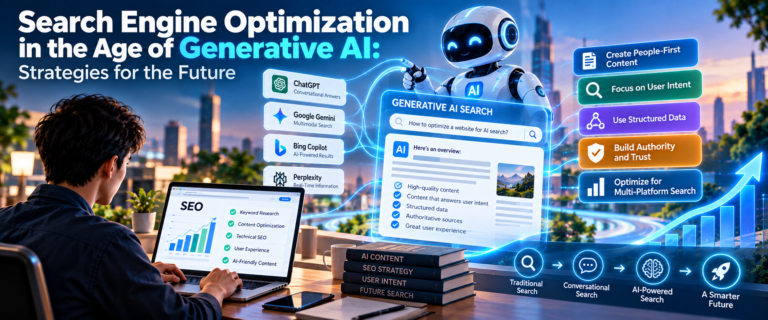
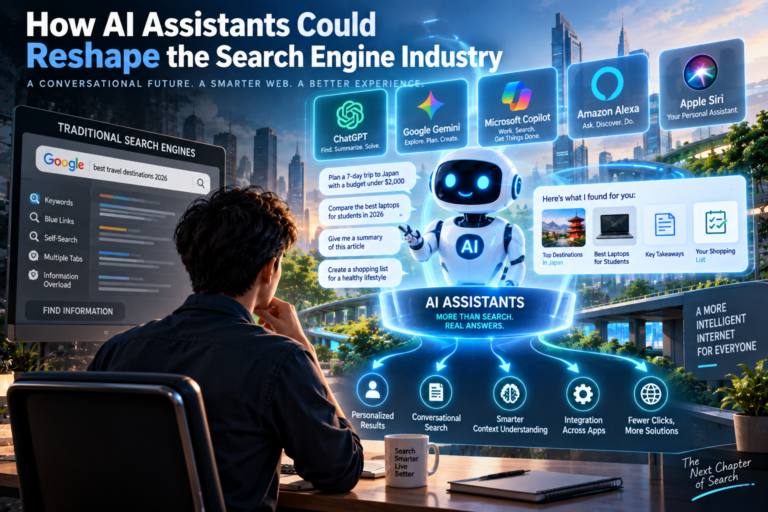
AI Is Reshaping Search
Artificial intelligence has transformed how people discover information.
Many users now rely on:
- AI-powered search assistants
- Conversational search
- Voice search
- AI-generated summaries
Instead of clicking multiple search results, users increasingly expect direct, well-structured answers.
Content creators should organize articles using:
- Clear headings
- Frequently asked questions
- Bullet points
- Step-by-step instructions
- Concise summaries
This makes information easier for both readers and AI systems to understand.
Topical Authority Is More Important Than Individual Keywords
Rather than publishing isolated articles, successful websites build topical authority.
For example, a website about SEO might publish comprehensive articles covering:
- Keyword research
- Technical SEO
- On-page optimization
- Link building
- Local SEO
- AI search optimization
- Google Search Console
- Content marketing
When search engines recognize consistent expertise across related topics, the website becomes more authoritative.
This often leads to improved rankings across many keywords.
Fresh Content Maintains Relevance
Search engines prefer information that reflects current trends and developments.
Updating existing articles can be just as valuable as publishing new ones.
Regular updates may include:
- New statistics
- Updated screenshots
- Current best practices
- Revised recommendations
- Additional examples
Fresh content signals that a website remains active and reliable.
Technical SEO Still Matters
Although content quality is essential, technical SEO remains an important foundation.
Key technical factors include:
- Clean website architecture
- XML sitemaps
- Proper indexing
- Structured data
- Internal linking
- Canonical URLs
- Optimized images
Technical improvements help search engines crawl and understand website content more efficiently.
Building Brand Authority
Search engines increasingly recognize trusted brands.
A recognizable brand often earns:
- More direct searches
- Higher click-through rates
- Natural backlinks
- Social media mentions
- Returning visitors
Building a strong reputation through valuable content, consistent publishing, and positive user experiences supports long-term SEO success.
Diversify Your Traffic Sources
Depending entirely on search engines can be risky.
Algorithm updates can significantly impact rankings.
Smart website owners diversify traffic through:
- Email newsletters
- Social media platforms
- Online communities
- YouTube
- Podcasts
- Referral partnerships
Multiple traffic sources create greater stability and reduce dependence on organic search alone.
Practical SEO Strategies for Today
To succeed with modern search engines, focus on these principles:
- Create genuinely helpful content.
- Understand user intent before writing.
- Build topical authority.
- Improve website speed and usability.
- Optimize for mobile users.
- Update older content regularly.
- Strengthen internal linking.
- Publish original research and insights whenever possible.
- Build trust with transparent author information.
- Focus on solving real problems instead of chasing keywords.
These practices align with how modern search engines evaluate quality.
The Future of SEO
SEO is not disappearing—it is evolving.
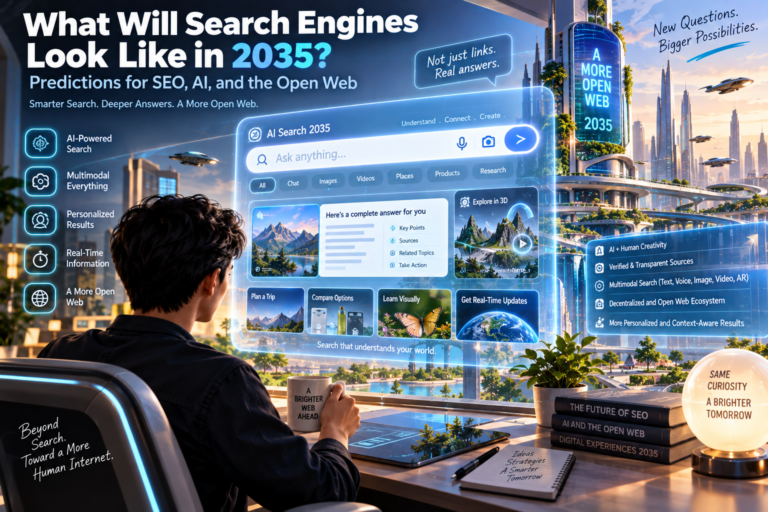
Artificial intelligence will continue changing how search engines understand content and deliver answers.
Future success will belong to websites that:
- Prioritize users over algorithms.
- Produce trustworthy information.
- Demonstrate genuine expertise.
- Adapt to new technologies.
- Continuously improve content quality.
Instead of trying to manipulate rankings, successful publishers will focus on becoming reliable resources within their industries.
Conclusion
Traditional SEO laid the foundation for online visibility, but today’s search landscape requires a broader, more user-focused approach. Keywords, backlinks, and technical optimization remain important, yet they are only part of the equation.
Modern search engines reward websites that consistently provide valuable, trustworthy, and well-organized content while delivering an excellent user experience. By understanding user intent, embracing AI-driven search trends, building topical authority, and maintaining high-quality content, website owners can achieve sustainable organic growth.
The future of SEO belongs to those who adapt, innovate, and place users at the center of every optimization strategy. Websites that evolve alongside modern search engines will be better positioned to attract loyal visitors, maintain strong search visibility, and thrive in an increasingly competitive digital world.
About the Author