The digital marketing landscape is undergoing one of the most significant transformations since the birth of search engines. For years, businesses have relied on traditional Search Engine Optimization (SEO) techniques to improve rankings on search engine results pages (SERPs). However, with the rapid rise of artificial intelligence (AI) in search technology, many marketers are asking an important question: Is traditional SEO dying?
The short answer is no—but it is evolving faster than ever before. AI-powered search experiences are changing how users discover information, forcing businesses and content creators to rethink their strategies for online visibility.
The Evolution of Search
Traditional SEO has long focused on optimizing websites for search engine algorithms. Marketers concentrated on keyword research, backlink building, technical optimization, and content creation to improve rankings.
For many years, this approach worked effectively because search engines primarily matched user queries with relevant web pages based on keywords and authority signals.
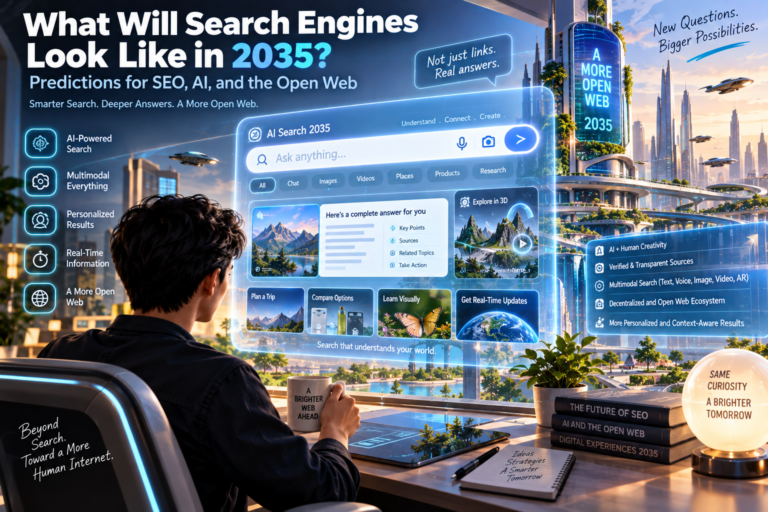
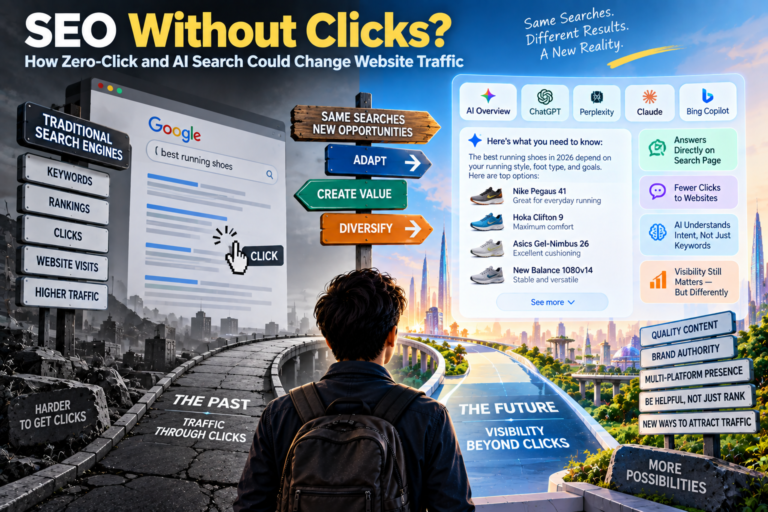
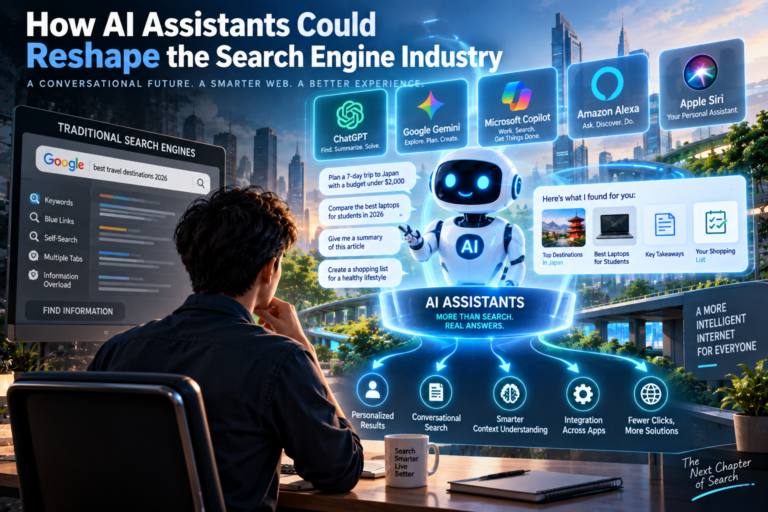
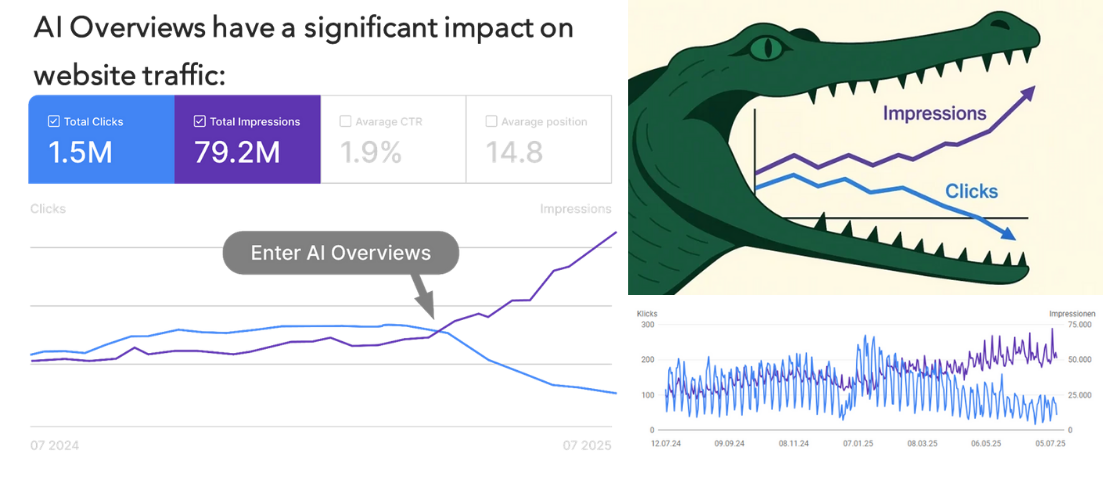
Today, AI-powered search systems have become far more sophisticated. Modern search engines can understand user intent, context, and conversational language. Instead of simply displaying a list of links, AI-generated responses often provide direct answers, summaries, and recommendations.
As a result, users can obtain information without necessarily clicking through multiple websites.
The Rise of AI Search
AI search technologies are transforming the way information is presented online. Search platforms now utilize advanced language models to interpret complex questions and generate detailed responses.
For example, users no longer search only with short phrases such as “best laptops 2026.” Instead, they ask complete questions like:
“What is the best laptop for graphic design under $1,500 with long battery life?”
AI systems analyze the full context of the query and provide highly personalized answers.
This shift means that search visibility is no longer solely about ranking first on a traditional results page. Content must now be optimized to become a trusted source that AI systems can reference and summarize.
Why Traditional SEO Still Matters
Despite concerns about AI replacing conventional search, traditional SEO remains an essential foundation for online success.
Search engines still rely on several established ranking factors, including:
- Website speed and performance
- Mobile responsiveness
- Content quality
- Internal linking structure
- User experience
- Backlink authority
- Technical SEO implementation
Without these elements, even the most informative content may struggle to gain visibility.
AI search engines still need reliable sources from which to gather information. Websites that demonstrate expertise, credibility, and relevance continue to have an advantage.
In other words, AI is changing how information is delivered—not eliminating the need for optimization.
The Shift from Keywords to Intent
One of the most important changes in modern SEO is the movement away from keyword stuffing and toward search intent.
Previously, content creators often focused heavily on exact-match keywords. While keywords remain important, AI search systems prioritize understanding the purpose behind a search.
Successful content now answers real user questions, solves problems, and provides meaningful value.
For example, rather than creating an article that repeatedly targets the phrase “digital marketing tips,” a more effective strategy is to develop comprehensive content that explains practical marketing techniques, case studies, and actionable insights.
AI rewards relevance and usefulness more than mechanical keyword repetition.
The Growing Importance of E-E-A-T
Google and other search platforms increasingly emphasize E-E-A-T:
- Experience
- Expertise
- Authoritativeness
- Trustworthiness
These principles help search engines identify high-quality content.
As AI-generated content becomes more common, trust signals become even more valuable. Businesses and publishers should focus on:
- Demonstrating real-world experience
- Citing credible sources
- Providing accurate information
- Maintaining transparency
- Building brand authority
Content that reflects genuine expertise is more likely to be surfaced in both traditional and AI-powered search results.
How AI Is Changing Content Strategy
The rise of AI search requires a new approach to content creation.
Instead of producing large volumes of low-quality articles, successful publishers are focusing on comprehensive, authoritative resources.
Effective AI-era content typically includes:
- Clear answers to user questions
- Structured headings and subheadings
- Original insights and analysis
- Practical examples
- Updated information
- Strong readability
Content should be designed not only for human readers but also for AI systems that analyze and summarize information.
Well-structured articles increase the likelihood of being cited in AI-generated search responses.
Brand Visibility Beyond Search Rankings
Another major change is the growing importance of brand recognition.
In the past, ranking for competitive keywords could generate significant traffic even for relatively unknown websites.
Today, AI systems often favor trusted brands and authoritative sources. As a result, businesses should invest in broader digital marketing efforts, including:
- Content marketing
- Social media engagement
- Email marketing
- Public relations
- Community building
Strong brands are more likely to earn mentions, backlinks, and citations that reinforce credibility across the web.
Preparing for the Future of SEO
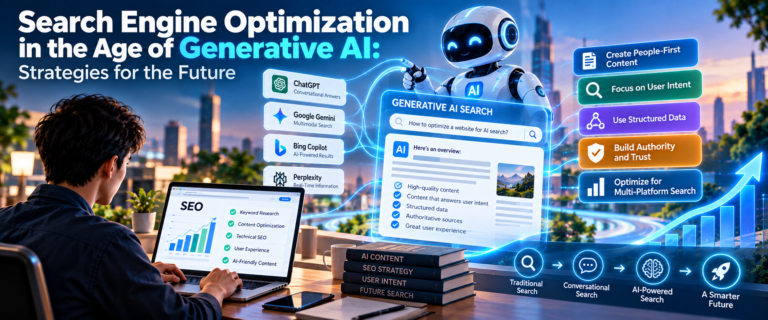
The future of SEO is not about choosing between traditional optimization and AI adaptation. Instead, businesses must combine both approaches.
Key strategies include:
- Create high-quality, user-focused content.
- Optimize technical website performance.
- Build authority within your industry.
- Focus on user intent rather than keyword density.
- Develop content that answers complex questions.
- Maintain accuracy and trustworthiness.
- Strengthen brand visibility across multiple channels.
Organizations that embrace these changes will be better positioned to succeed as search technology continues to evolve.
Conclusion
Traditional SEO is not dying—it is transforming. AI-powered search is reshaping how users find information, but the fundamental principles of providing value, relevance, and trust remain unchanged.
The businesses that thrive in this new era will be those that adapt their strategies to meet evolving search behaviors while maintaining strong SEO foundations. Rather than viewing AI as a threat, marketers should see it as an opportunity to create better content, improve user experiences, and build lasting online authority.
As AI search continues to mature, the future of online visibility will belong to websites that prioritize quality, expertise, and genuine value for their audiences.
About the Author