For more than two decades, Google has been the undisputed leader in the search engine industry. Since its launch in 1998, the company has transformed the way people access information, becoming synonymous with online search itself. In many parts of the world, the phrase “Google it” has become a common expression used when searching for information online.
However, the digital landscape is changing rapidly. Artificial intelligence, conversational search tools, voice assistants, and emerging search platforms are reshaping how users interact with information. As technology evolves, an important question arises: Will Google remain dominant, or is the next generation of search poised to redefine the industry?
While Google continues to hold a significant advantage, the future of search may look very different from what users have experienced over the past two decades.
Google’s Unmatched Search Legacy
Google’s success has been built on its ability to deliver highly relevant search results quickly and efficiently. Its sophisticated algorithms, massive infrastructure, and continuous innovation have allowed it to maintain a dominant market position despite competition from other search engines.
Several factors have contributed to Google’s long-term success:
- Advanced search algorithms
- Massive index of web content
- Strong advertising ecosystem
- Continuous technological innovation
- Integration with popular products and services
- User trust and familiarity
For years, these advantages created a powerful competitive moat that was difficult for rivals to overcome.
However, the rise of artificial intelligence is introducing new challenges and opportunities that could reshape the search market.
The Emergence of AI-Powered Search
One of the most significant developments in recent years is the rapid advancement of AI-powered search technologies.
Traditional search engines primarily present users with a list of links ranked according to relevance. Users must then click through websites to find answers.
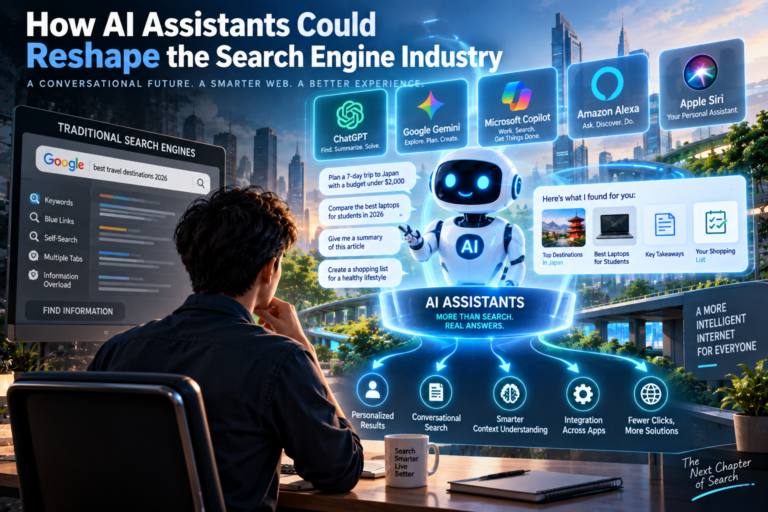
AI-powered search systems operate differently. Instead of simply providing links, they can generate direct responses, summarize information, and engage in conversational interactions.
For example, users can ask complex questions such as:
“What are the best investment strategies for young professionals with moderate risk tolerance?”
Rather than displaying a list of articles, AI systems can provide a comprehensive answer that synthesizes information from multiple sources.
This shift is changing user expectations and creating a new competitive landscape.
Changing User Behavior
The next generation of internet users increasingly values convenience, speed, and personalization.
Rather than typing short keyword phrases, users are beginning to engage with search systems using natural language.
Examples include:
- “What’s the best smartphone for photography under $800?”
- “How can I reduce energy costs in my home?”
- “Compare electric vehicles suitable for large families.”
These conversational queries require a deeper understanding of language and context.
As AI technologies improve, users may rely less on traditional search result pages and more on intelligent assistants capable of providing direct answers.
This trend has the potential to alter the way search traffic flows across the internet.
The Rise of Alternative Search Platforms
While Google remains the market leader, alternative search experiences are gaining attention.
AI assistants, chat-based search tools, and specialized discovery platforms are offering users new ways to access information.
Many consumers now discover products, services, and recommendations through:
- AI chat assistants
- Social media platforms
- Video-sharing websites
- Online communities
- E-commerce search engines
For younger audiences in particular, traditional web search is no longer the only starting point for finding information.
This diversification does not necessarily threaten Google’s position immediately, but it does indicate that search behavior is becoming more fragmented.
Why Google Still Has Major Advantages
Despite growing competition, Google possesses several strengths that make it difficult to displace.
Massive Data Resources
Google processes billions of searches every day, providing valuable insights that help improve its algorithms and user experience.
Established Infrastructure
The company operates one of the largest and most advanced technological infrastructures in the world.
Strong Brand Recognition
Google is deeply embedded in everyday life. Its brand remains one of the most recognized and trusted names on the internet.
Integrated Ecosystem
Products such as Gmail, Android, Google Maps, Google Drive, and YouTube create a powerful ecosystem that strengthens user loyalty.
These advantages provide Google with significant resources to adapt to changing technologies.
The Future of SEO in an AI-Driven World
The evolution of search will have major implications for search engine optimization (SEO).
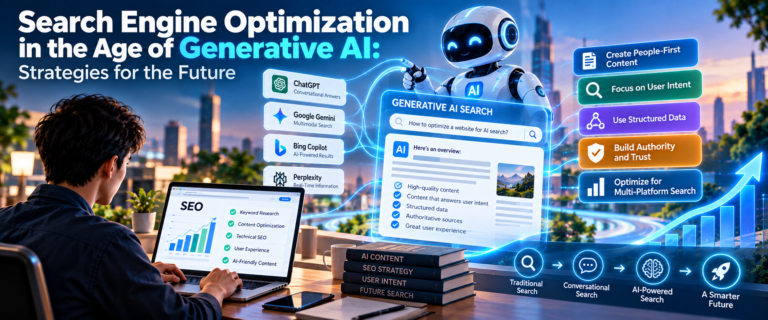
For years, SEO focused on improving rankings within traditional search results. However, AI-generated responses are changing how users interact with information.
Businesses and publishers must now consider how their content can be:
- Referenced by AI systems
- Featured in answer summaries
- Recognized as authoritative sources
- Structured for machine understanding
High-quality content remains essential, but success increasingly depends on demonstrating expertise, trustworthiness, and relevance.
Organizations that produce original insights and valuable information will likely benefit regardless of how search interfaces evolve.
The Growing Importance of Trust
As AI-generated content becomes more widespread, trust will become a critical factor in determining visibility.
Users want accurate information from reliable sources. Search platforms also need dependable content to generate useful responses.
This trend highlights the importance of Google’s E-E-A-T principles:
- Experience
- Expertise
- Authoritativeness
- Trustworthiness
Publishers that invest in credibility and quality are likely to maintain strong visibility in both traditional and AI-powered search environments.
What the Next Generation of Search May Look Like
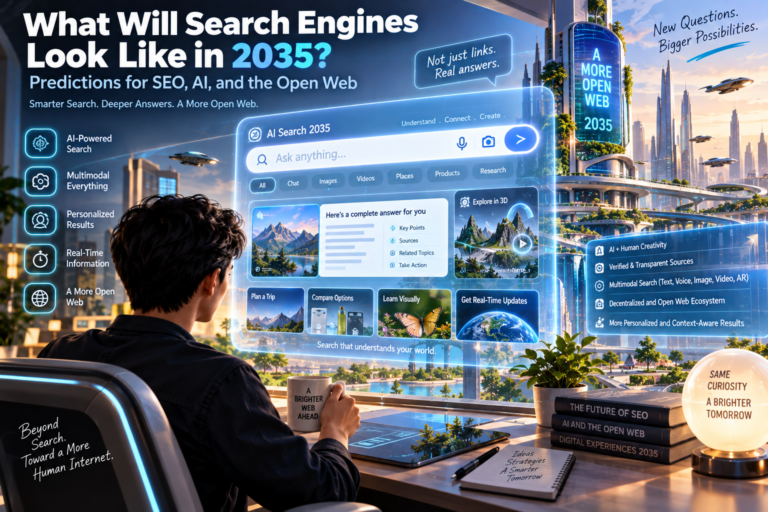
The future of search will likely combine traditional search methods with advanced AI capabilities.
Users may interact with search engines through:
- Conversational interfaces
- Voice assistants
- Visual search tools
- Personalized recommendation systems
- Multimodal AI experiences
Instead of navigating through dozens of links, users may receive customized answers tailored to their specific needs and preferences.
Search engines will become less like directories and more like intelligent assistants capable of understanding context and delivering actionable insights.
Conclusion
Will Google remain dominant in the future of search? The answer is likely yes—at least for the foreseeable future. The company possesses enormous technological resources, brand recognition, and infrastructure that position it well to adapt to emerging trends.
However, the nature of search itself is changing. Artificial intelligence, conversational interfaces, and alternative discovery platforms are reshaping how users access information online. While Google is expected to remain a major player, the next generation of search will likely be more diverse, personalized, and AI-driven than ever before.
For businesses, marketers, and content creators, the key to success lies not in focusing solely on traditional rankings but in creating trustworthy, valuable content that can thrive across multiple search experiences. As the search landscape continues to evolve, adaptability and quality will remain the most important factors for long-term visibility and growth.
About the Author