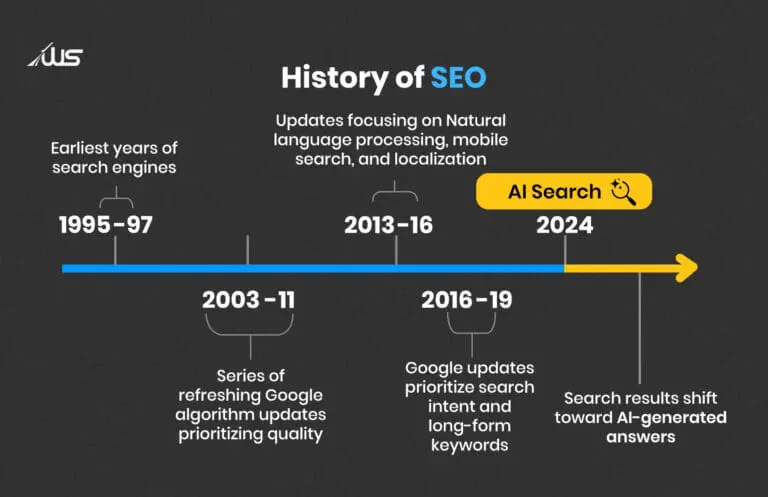

Search engines have transformed dramatically since the early days of the internet. What began as simple tools for locating web pages has evolved into intelligent systems capable of understanding context, intent, and even natural language. For bloggers, this evolution has changed the way content is discovered, ranked, and consumed.
Years ago, achieving high rankings often required little more than inserting the right keywords into a page. Today, search engines evaluate hundreds of ranking signals, including content quality, user experience, website performance, and credibility. As artificial intelligence (AI) continues to reshape online search, bloggers must understand these changes to remain competitive.
This article explores how search engines have evolved, why these changes matter, and what every blogger should do to succeed in the modern search landscape.
The Early Days of Search Engines
In the 1990s, the internet was growing rapidly, making it difficult for users to find relevant information. Early search engines indexed websites by analyzing basic page elements such as titles, keywords, and text content.
During this period, ranking factors were relatively simple. Websites often achieved high positions by:
- Repeating target keywords multiple times
- Using meta keyword tags
- Creating large numbers of backlinks
- Publishing many low-quality pages
Because search technology was still limited, these tactics frequently produced positive results, even if the content offered little value to readers.
Google’s Impact on Search Quality
The introduction of Google’s PageRank algorithm marked a major turning point in search engine history. Instead of relying solely on keywords, Google evaluated the quality and relevance of links pointing to a website.
This innovation rewarded websites that earned genuine recommendations from other trusted sites rather than those using manipulative optimization techniques.
Over time, Google introduced numerous algorithm improvements to reduce spam and improve search quality. These updates emphasized:
- Helpful content
- Natural backlinks
- User satisfaction
- Website authority
- Trustworthiness
As a result, blogging became less about manipulating rankings and more about creating useful resources for readers.
The Shift from Keywords to Search Intent
One of the most significant changes in modern SEO is the focus on search intent.
Instead of simply matching words typed into the search box, search engines now try to understand why someone is searching.
For example, a user searching for “best DSLR camera for beginners” is likely looking for:
- Product recommendations
- Feature comparisons
- Budget options
- Buying advice
- Beginner-friendly explanations
An article that addresses these needs comprehensively is far more likely to rank than one that merely repeats the keyword phrase.
Understanding user intent has become one of the most valuable skills for bloggers.
Artificial Intelligence Is Transforming Search
Artificial intelligence is now deeply integrated into modern search engines.
AI helps search systems:
- Interpret complex questions
- Understand conversational language
- Identify relationships between topics
- Evaluate content quality
- Deliver more personalized search results
This means bloggers should focus less on writing for algorithms and more on creating content that genuinely answers readers’ questions.
Content written in a natural, conversational style often performs better than articles optimized solely around exact-match keywords.
User Experience Has Become a Ranking Signal
Modern search engines recognize that valuable content alone is not enough if users struggle to access it.
Factors influencing user experience include:
- Fast loading speeds
- Mobile-friendly design
- Secure HTTPS connections
- Clear navigation
- Readable typography
- Minimal intrusive advertisements
Visitors are more likely to stay on websites that are easy to use, and positive engagement signals often support stronger search performance.
Content Quality Is More Important Than Quantity
Years ago, many bloggers published dozens of short articles targeting individual keywords.
Today, search engines generally reward comprehensive, informative, and original content.
High-quality articles often include:
- Practical advice
- Accurate information
- Clear explanations
- Examples
- Updated facts
- Helpful visuals
- Logical organization
Rather than producing hundreds of low-value posts, successful bloggers focus on creating resources that readers want to bookmark and share.
Topical Authority Matters
Search engines increasingly evaluate whether a website demonstrates expertise across an entire subject area.
Instead of publishing unrelated articles on dozens of topics, many successful bloggers focus on one niche.
For example, a website about web development may consistently publish content about:
- Website hosting
- Domain names
- WordPress
- Website security
- SEO
- Performance optimization
- Artificial intelligence for websites
This consistent coverage helps establish topical authority, making it easier for future articles to rank.
Voice Search and Conversational Queries
Voice assistants have changed how many people search online.
Instead of typing:
“weather New York”
Users now ask:
“What’s the weather going to be like in New York this weekend?”
This shift encourages bloggers to write naturally and answer complete questions.
Frequently Asked Questions (FAQ) sections, conversational headings, and detailed explanations help meet these evolving search behaviors.
AI Search Summaries and Zero-Click Searches
Modern search engines increasingly provide AI-generated summaries directly on the search results page.
As a result, users may find quick answers without clicking through to a website.
While this creates new challenges, it also highlights the importance of publishing content that goes beyond basic facts.
Visitors still seek:
- In-depth tutorials
- Personal experiences
- Case studies
- Expert opinions
- Original research
- Interactive tools
Content offering unique value remains highly competitive even in the era of AI-generated search results.
Building Trust Is Essential
Search engines aim to recommend trustworthy information.
Bloggers can build trust by:
- Publishing accurate content
- Updating articles regularly
- Being transparent about authorship
- Correcting outdated information
- Avoiding misleading headlines
- Providing honest recommendations
A reputation for reliability encourages both search engines and readers to view a website as a dependable source of information.
Practical Tips for Modern Bloggers
To succeed in today’s search environment, bloggers should:
- Write for readers before search engines.
- Research user intent thoroughly.
- Publish original, experience-based content.
- Improve website speed and mobile usability.
- Build internal links between related articles.
- Update evergreen content regularly.
- Develop topical authority within a clear niche.
- Focus on long-term credibility instead of short-term ranking tricks.
- Use descriptive headings that improve readability.
- Continuously learn about changes in search technology.
These practices help create sustainable organic growth over time.
Preparing for the Future
Search technology will continue evolving as artificial intelligence becomes more sophisticated. Future search experiences are likely to become even more conversational, personalized, and context-aware.
Rather than fearing these changes, bloggers should embrace them as opportunities to produce better content.
The websites most likely to succeed will be those that:
- Prioritize users’ needs
- Offer genuine expertise
- Provide original insights
- Maintain high editorial standards
- Adapt to changing technology
Quality and trust will remain timeless advantages regardless of future algorithm updates.
Conclusion
The evolution of search engines has fundamentally changed the way bloggers create and optimize content. Success is no longer determined by keyword repetition or outdated SEO tricks but by a website’s ability to provide valuable, trustworthy, and engaging information that genuinely helps readers.
Modern search engines reward bloggers who understand user intent, create comprehensive resources, maintain excellent user experiences, and establish authority within their chosen niche. As AI continues to influence how information is discovered, adaptability will become one of the most important qualities for online publishers.
For bloggers willing to embrace these changes, the future remains full of opportunity. By focusing on quality, credibility, and the needs of their audience, they can continue to attract organic traffic, build loyal readerships, and achieve long-term success in an ever-evolving digital landscape.