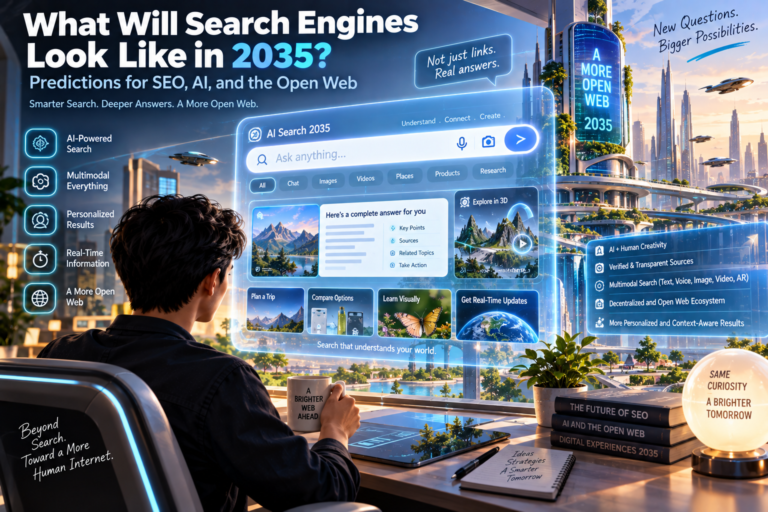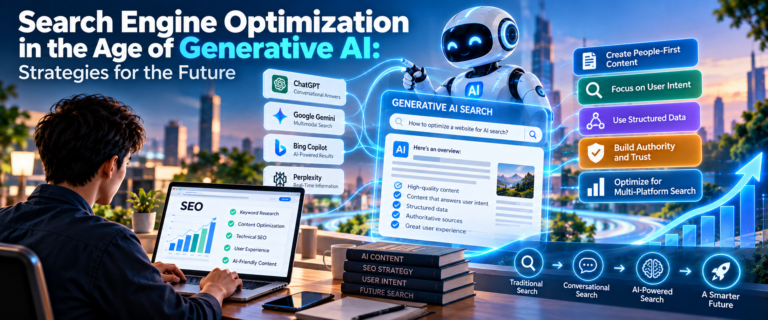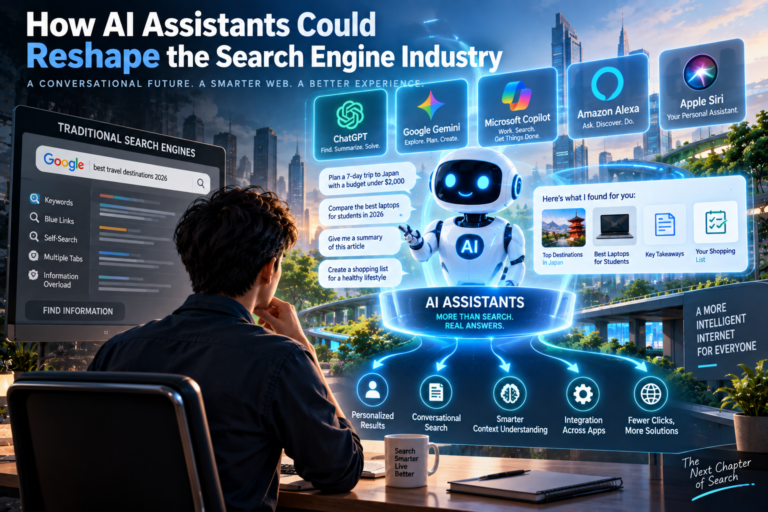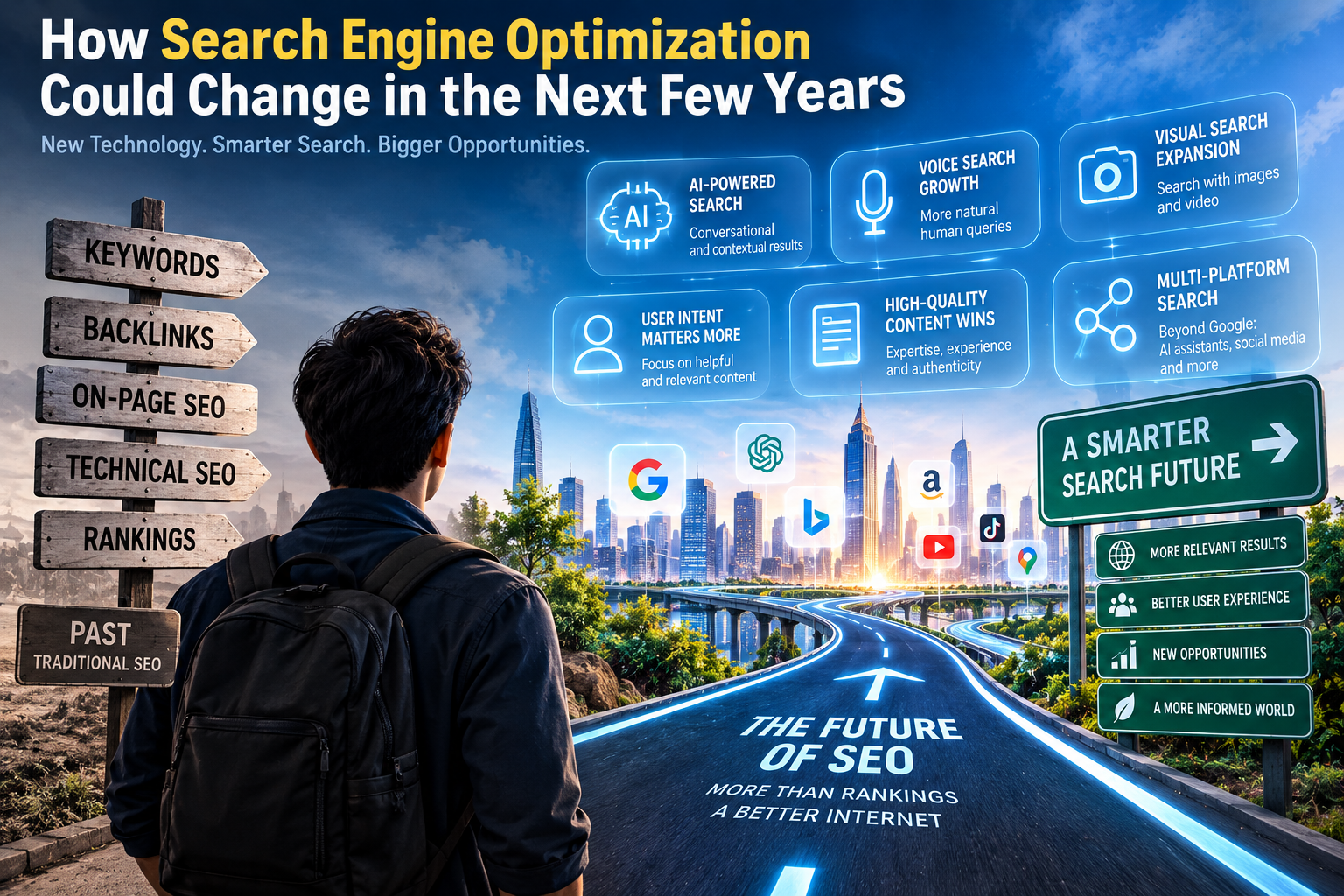
Search engine optimization has continuously evolved alongside the internet. Strategies that worked fifteen years ago may be ineffective today, while techniques considered advanced today could become standard practice by 2030.
Artificial intelligence, conversational search, multimodal content, and increasingly sophisticated search algorithms are already influencing how people discover information. These developments provide useful clues about what SEO could look like in the future.
Keywords Will Still Matter, but Differently
Keywords have traditionally been one of the foundations of SEO.
Website owners research phrases people type into search engines and create content around those searches.
By 2030, exact keyword matching may matter less than understanding the broader topic and the intention behind a query.
Instead of creating separate pages for dozens of nearly identical keywords, publishers may benefit from developing comprehensive resources covering related questions naturally.
For example, an article about choosing web hosting might discuss server performance, storage, bandwidth, backups, security, pricing, customer support, and scalability.
The goal becomes satisfying the information need rather than repeating a particular phrase.
Search Intent Could Become Central to SEO
Understanding why someone performs a search is already important, but it could become even more significant.
A person searching for “WordPress hosting” could be looking for a definition, comparison, tutorial, provider, or troubleshooting guide.
Future search engines may become increasingly accurate at distinguishing these intentions.
Successful websites will therefore need to match content formats to user expectations.
A transactional query might require a comparison or product page, while an educational query might be better served by an in-depth tutorial.
AI Search Will Influence Content Strategy
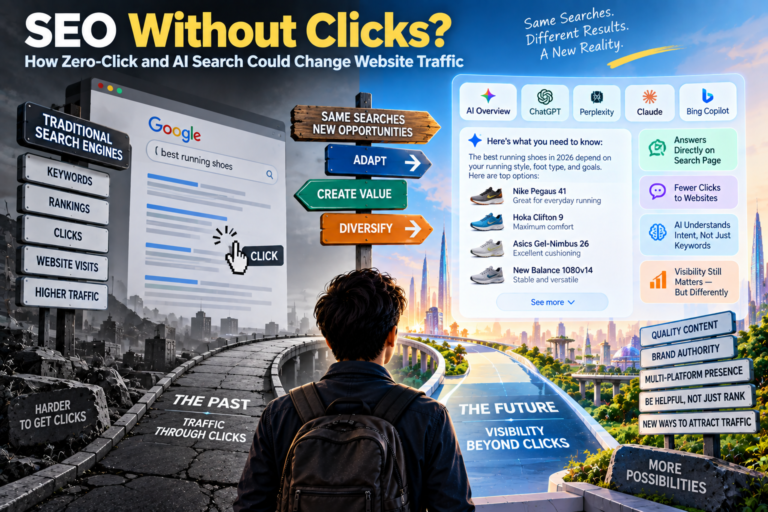
AI-generated search responses could change the relationship between rankings and website traffic.
A page might contribute information to an AI-generated response without receiving the same number of clicks that a traditional high-ranking result once produced.
This could encourage publishers to develop content that provides reasons to visit the original website.
Examples include original statistics, calculators, downloadable resources, databases, interactive maps, detailed case studies, experiments, and first-hand reviews.
In other words, publishers may need to create destinations rather than simply answers.
Entity-Based Optimization May Grow
Search engines increasingly understand relationships between people, organizations, locations, products, and concepts.
These identifiable things are often described as entities.
By 2030, SEO could involve helping search systems clearly understand what a website, author, company, or subject represents and how it relates to other concepts.
Consistent information, clear site architecture, descriptive content, structured data where appropriate, and transparent authorship can help reduce ambiguity.
Brand Recognition Could Become More Valuable
When thousands of websites publish similar information, recognizable sources have an advantage: people know what to expect from them.
Future SEO strategies may therefore overlap increasingly with brand building.
Publishers could benefit from developing recognizable authors, newsletters, communities, research projects, tools, or specialized resources.
Instead of asking only, “How can this page rank?” businesses may increasingly ask, “Why would someone specifically look for our website?”
Technical SEO Will Remain Important
Even advanced AI systems need accessible information.
Search engines must be able to discover, process, and understand website content. Technical problems such as broken internal links, accidental indexing restrictions, duplicate pages, poor performance, and confusing architecture can interfere with this process.
Technical SEO is therefore unlikely to disappear.
The details may change, but maintaining a fast, accessible, logically structured website will remain valuable.
SEO Professionals May Work More Closely With AI
Artificial intelligence can help SEO professionals analyze keywords, organize data, generate content briefs, identify patterns, and automate repetitive tasks.
However, automation also increases the amount of average content available online.
Human judgment can therefore become more valuable in areas such as editorial decisions, original research, fact checking, experience-based writing, and creative strategy.
The future SEO professional may use AI extensively without allowing automation to replace editorial responsibility.
Conclusion
SEO in 2030 may look very different from the optimization practices of the past.
Search engines are moving toward deeper understanding of language, entities, context, and user intent. At the same time, AI-generated answers could reduce the importance of traditional rankings for some searches.
The websites most prepared for this environment will likely be those that combine strong technical foundations with trustworthy brands, useful information, original resources, and genuine understanding of their audiences.
SEO is not necessarily disappearing. It is expanding from optimizing pages for keywords into optimizing information for an increasingly intelligent discovery ecosystem.
About the Author