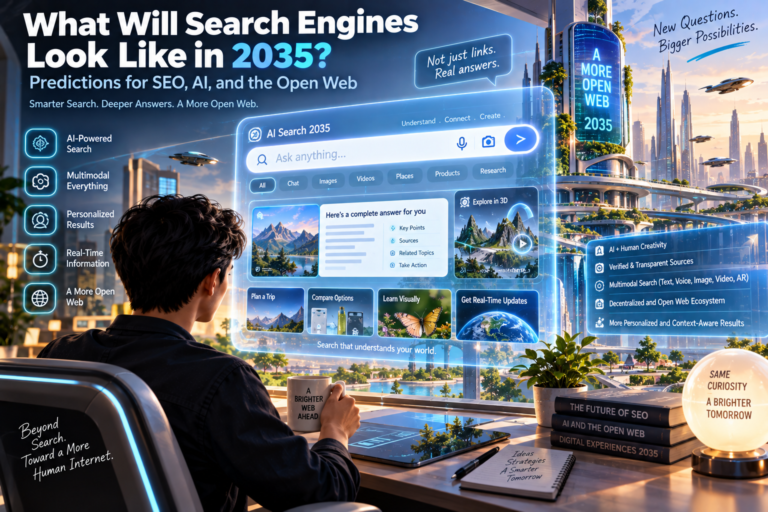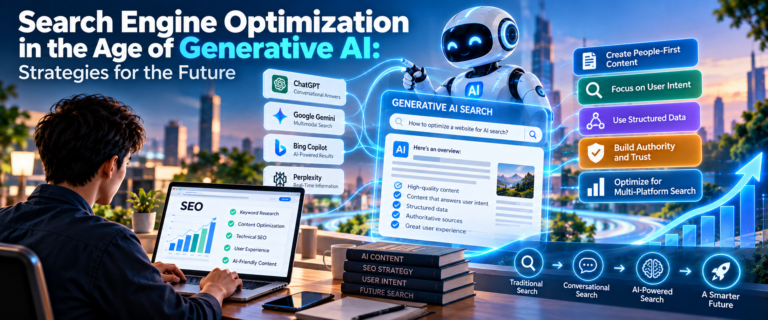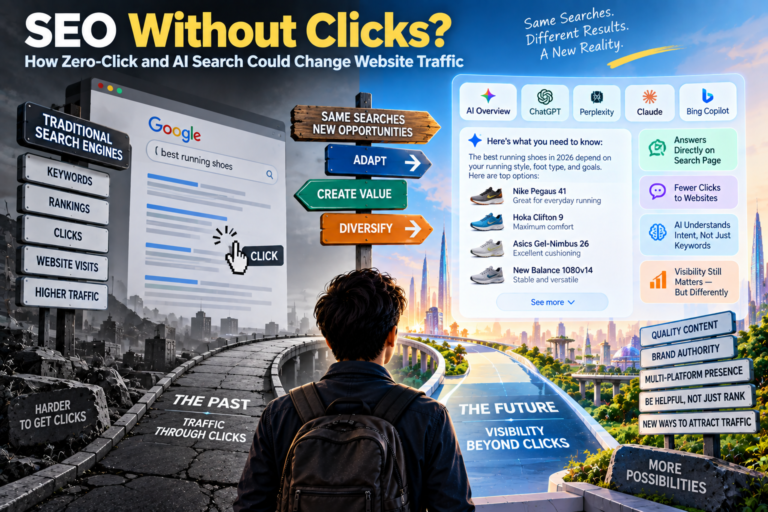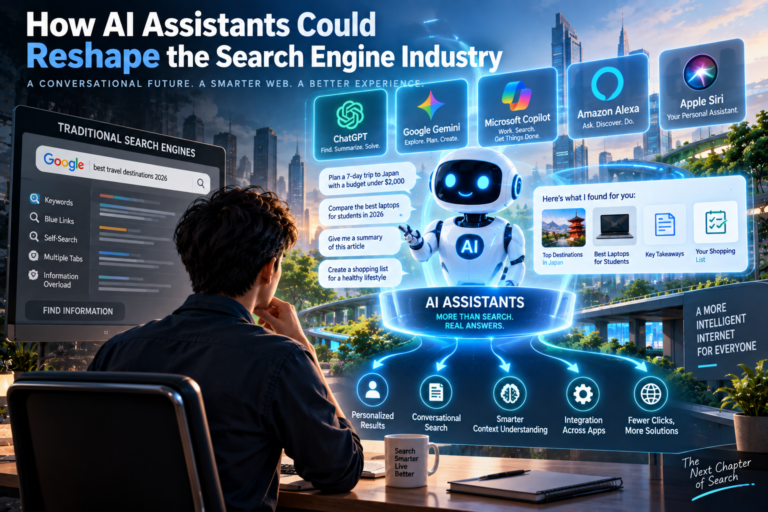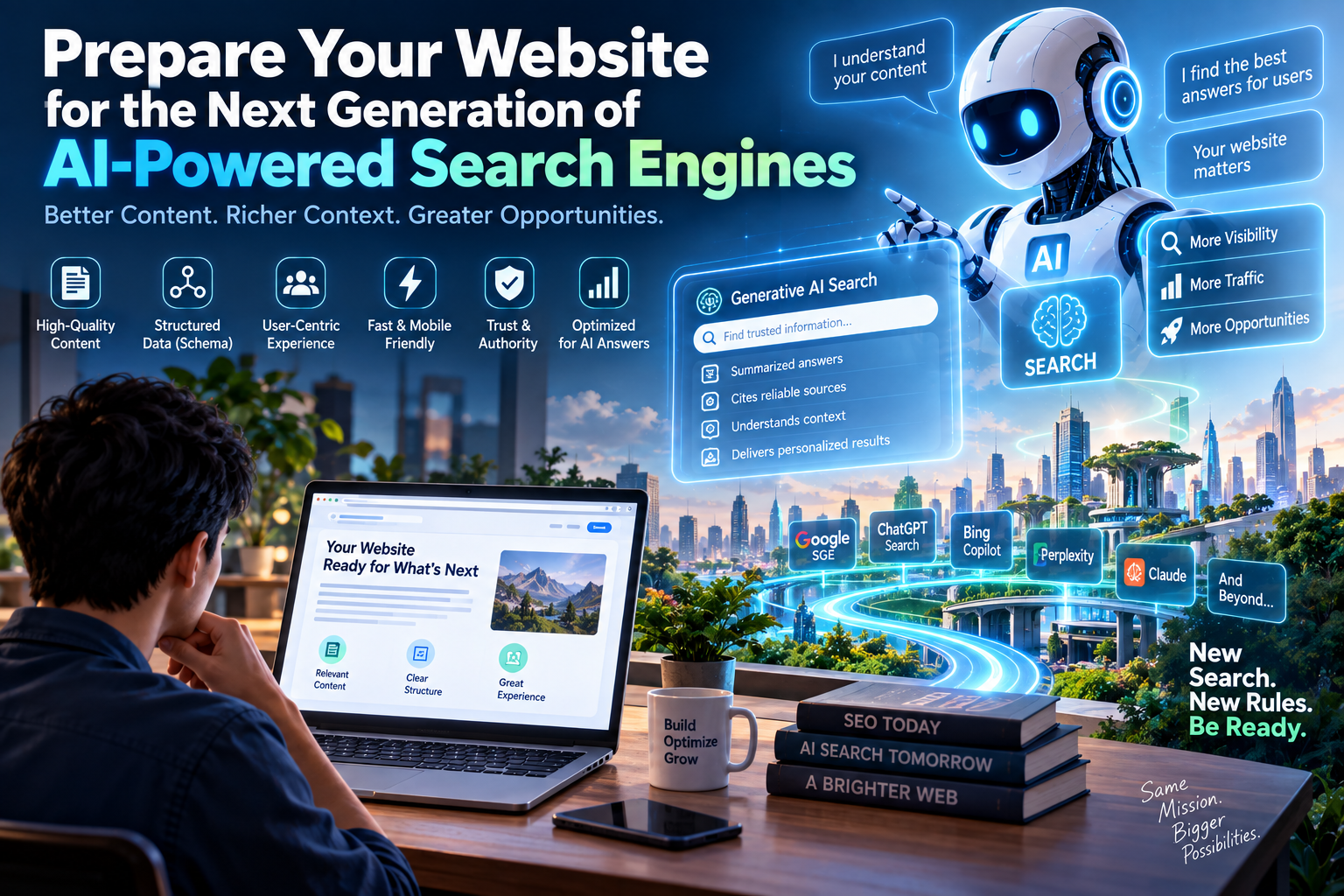
Search engines are becoming increasingly intelligent. Artificial intelligence allows search platforms to understand natural language, summarize information, interpret complex questions, and generate conversational responses.
For website owners, this raises an important question: how should a website prepare for AI-powered search?
There is no guaranteed formula for future rankings or citations. Search technologies will continue changing. However, website owners can strengthen several fundamental areas that make content useful to both people and machines.
Create Clear and Focused Content
Clarity is increasingly valuable.
Every important page should have a clear purpose. Readers should be able to understand what the page covers without searching through unnecessary introductions.
Use descriptive headings, logical sections, concise explanations, and examples where useful.
A page about choosing a domain name, for instance, could clearly address branding, domain extensions, availability, trademarks, length, memorability, and registration considerations.
Good organization helps humans navigate information and can also make the relationship between concepts easier for automated systems to process.
Demonstrate Experience and Expertise
Generic information is becoming easier to produce.
Original experience can differentiate a website.
A product review becomes more useful when the writer explains how the product was tested. A travel guide becomes more valuable when it contains practical observations from visiting the destination. A technical tutorial becomes stronger when it includes screenshots, configurations, results, and troubleshooting information.
Publishers should make it clear who created content and, when relevant, why that person is qualified to discuss the subject.
Publish Original Information
AI systems can summarize existing information extremely efficiently.
This increases the value of information that originates from your website.
Original research can include surveys, experiments, statistics, interviews, datasets, case studies, photographs, or observations.
Even small websites can produce unique information.
A local tourism website, for example, might document travel times between attractions, seasonal conditions, accessibility considerations, or detailed itineraries based on real journeys.
Improve Website Architecture
A well-organized website helps visitors discover related information.
Important pages should not be buried unnecessarily deep within the site.
Create logical categories and connect related pages using relevant internal links.
Avoid creating hundreds of nearly identical pages simply to target small keyword variations. When several pages answer essentially the same question, consolidating them into a stronger resource may provide a better experience.
Keep Technical Foundations Healthy
AI-powered search does not eliminate technical SEO.
Search systems still need to discover and access web pages.
Website owners should pay attention to crawlability, indexing controls, canonicalization, mobile usability, page performance, HTTPS, broken links, and XML sitemaps where appropriate.
Structured data can also help search systems understand certain types of information when implemented accurately.
Technical optimization should support useful content rather than attempt to compensate for weak content.
Make Important Claims Easy to Verify
Trust becomes increasingly important as online content grows.
Where appropriate, cite reputable sources and distinguish facts from opinions or personal observations.
Update articles when important information changes.
For subjects involving statistics, regulations, prices, software features, or other time-sensitive information, consider displaying publication and update dates clearly.
Readers should be able to understand where important information comes from.
Build a Recognizable Identity
A website should ideally be more than a collection of unrelated articles.
Define the topics the publication covers and maintain a consistent editorial direction.
Provide useful information about the organization or publisher. Include author information when appropriate and make contact details or communication channels easy to find.
A recognizable identity can help establish a relationship with readers independent of search engines.
Conclusion
Preparing for AI-powered search does not require abandoning traditional SEO principles.
Instead, it encourages publishers to strengthen the fundamentals: clear information, strong site architecture, technical accessibility, original evidence, transparent authorship, and genuine usefulness.
Search interfaces will continue evolving. Websites that exist primarily to exploit temporary ranking patterns may struggle when those patterns change.
Websites built as valuable resources have a more durable advantage because their usefulness extends beyond any single search algorithm.
About the Author