The digital landscape has changed dramatically over the past decade. Search engines have become smarter, artificial intelligence has transformed how people search for information, and competition for online visibility continues to grow. Despite these changes, one principle has remained remarkably consistent: high-quality content continues to outperform low-value content in search engine rankings.
Many website owners spend countless hours searching for the latest SEO tricks, hoping to gain a competitive advantage. While technical optimization, backlinks, and website performance all play important roles, none of these factors can consistently compensate for poor content.
Whether you run a personal blog, an online business, or a news website, creating valuable content remains the most reliable long-term strategy for improving search visibility and building audience trust.
What Is High-Quality Content?
High-quality content goes beyond simply filling a page with words. It is content that genuinely helps readers solve problems, answer questions, or make informed decisions.
Strong content typically demonstrates several important characteristics:
- It is accurate and factually reliable.
- It addresses the reader’s needs.
- It provides practical, actionable advice.
- It is well organized and easy to read.
- It offers original insights or perspectives.
- It is updated when information changes.
Instead of focusing only on search engines, successful publishers focus on delivering meaningful value to their audience.
Search Engines Prioritize User Satisfaction
Modern search engines are designed to satisfy users, not reward websites that exploit ranking loopholes.
When someone searches for information, search engines attempt to deliver pages that best answer the user’s question.
For example, if someone searches for:
“How to start a blog”
they may expect to find information about:
- Choosing a blogging platform
- Registering a domain name
- Selecting web hosting
- Creating content
- Promoting a blog
- Monetization strategies
A detailed guide covering these topics is far more useful than a short article repeating the keyword dozens of times.
Helping readers accomplish their goals is one of the strongest signals of quality.
Why Keyword Stuffing No Longer Works
In the early years of SEO, websites often ranked well by repeating keywords throughout a page.
This practice, known as keyword stuffing, made many articles difficult to read.
Modern search engines now understand:
- Synonyms
- Context
- User intent
- Natural language
- Topic relationships
Rather than counting keyword repetitions, they evaluate whether content comprehensively addresses a topic.
Natural writing is now far more effective than forced optimization.
User Intent Is More Important Than Keywords
One of the biggest shifts in SEO has been the emphasis on understanding search intent.
Consider two users searching for similar phrases:
- “Best VPS hosting”
- “Should I upgrade from shared hosting to VPS?”
Although both searches involve VPS hosting, the users have different goals.
The first wants recommendations.
The second wants educational guidance before making a decision.
High-quality content recognizes these differences and provides answers that match each user’s expectations.
Originality Builds Competitive Advantage
Artificial intelligence has made content creation easier than ever.
However, AI can summarize existing information—it cannot replace genuine experience and unique expertise.
Original content may include:
- Personal experiences
- Case studies
- Industry insights
- Independent research
- Interviews
- Practical lessons learned
Readers value perspectives they cannot easily find elsewhere.
Originality also helps websites stand out in increasingly competitive search results.
Trust Is Essential
Search engines aim to recommend websites that users can trust.
Trust is earned through consistency and transparency.
Reliable websites often include:
- Clearly identified authors
- Accurate information
- Updated publication dates
- Honest recommendations
- Secure HTTPS connections
- Clear contact information
Building trust takes time, but it creates lasting benefits for both readers and search performance.
Well-Structured Content Improves Readability
Even valuable information can lose its effectiveness if presented poorly.
Readers appreciate articles that are easy to scan and understand.
Good structure includes:
- Descriptive headings
- Short paragraphs
- Bullet points
- Numbered lists
- Clear introductions
- Practical conclusions
Organized content benefits both human readers and AI-powered search systems.
User Experience Supports Better Rankings
Content quality extends beyond the words on the page.
Visitors expect websites to provide:
- Fast loading times
- Mobile-friendly layouts
- Simple navigation
- Readable fonts
- Accessible design
- Minimal distractions
A positive user experience encourages visitors to stay longer, explore additional pages, and return in the future.
These engagement signals contribute to sustainable SEO performance.
Fresh Content Maintains Relevance
The internet evolves rapidly.
Articles published several years ago may contain outdated recommendations or obsolete information.
Updating existing content helps maintain accuracy by:
- Revising statistics
- Adding new examples
- Replacing broken links
- Updating screenshots
- Reflecting current best practices
Fresh content demonstrates that a website remains active and committed to providing reliable information.
Topical Authority Strengthens Rankings
Rather than publishing unrelated articles on many subjects, successful websites often focus on a specific niche.
For example, a digital marketing blog may consistently publish content covering:
- SEO
- Content marketing
- Social media
- Email marketing
- Analytics
- Artificial intelligence
Over time, this consistent coverage establishes topical authority.
Search engines become more confident that the website provides expert information within its field.
Helpful Content Creates Loyal Readers
High rankings are valuable, but loyal readers are even more important.
When visitors consistently find useful information, they are more likely to:
- Return to the website
- Subscribe to newsletters
- Share articles
- Recommend content
- Link naturally from other websites
These behaviors create sustainable growth that extends beyond search rankings.
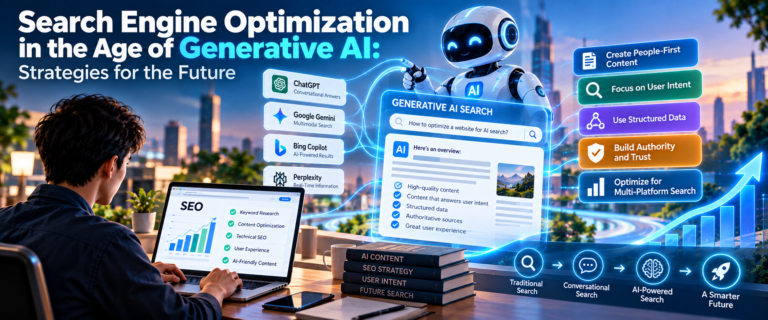
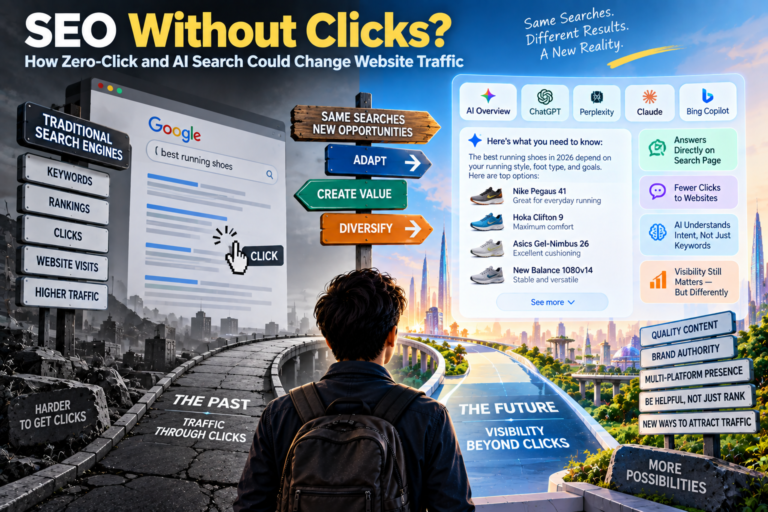
AI Search Still Depends on Quality Content
The rise of AI-powered search has changed how users discover information.
However, AI systems still rely on trustworthy websites to generate reliable answers.
Poor-quality websites provide poor-quality information.
For this reason, publishers who invest in accurate, comprehensive content remain essential to the future of the web.
As AI continues evolving, the demand for authoritative sources is likely to increase rather than decrease.
Practical Tips for Creating Better Content
If you want your website to remain competitive, follow these best practices:
- Write for people before search engines.
- Research user intent carefully.
- Cover topics thoroughly.
- Use clear headings and logical organization.
- Add examples and practical advice.
- Publish original insights whenever possible.
- Update older articles regularly.
- Optimize page speed and mobile usability.
- Build internal links between related content.
- Focus on long-term trust instead of short-term ranking tricks.
These habits improve both reader satisfaction and search visibility.
The Long-Term Value of Quality
High-quality content is an investment rather than a quick tactic.
A well-written article can continue attracting visitors for years when it remains accurate and relevant.
Unlike manipulative SEO techniques that often lose effectiveness after algorithm updates, valuable content continues to benefit readers regardless of changes in search technology.
This makes quality one of the safest and most sustainable SEO strategies available.
Conclusion
Although search engines continue to evolve and artificial intelligence is reshaping the way information is discovered, one principle remains unchanged: high-quality content consistently earns visibility because it serves the needs of real people.
Successful websites are built on trust, expertise, originality, and a genuine commitment to helping readers. While technical SEO, website performance, and optimization techniques remain important, they are most effective when combined with informative, well-structured, and engaging content.
For bloggers, businesses, and publishers alike, the path to lasting search engine success is clear. Focus on creating content that educates, solves problems, and provides unique value. By putting readers first and maintaining high editorial standards, your website will be well positioned to thrive in search engine rankings today, in 2026, and for many years to come.
About the Author