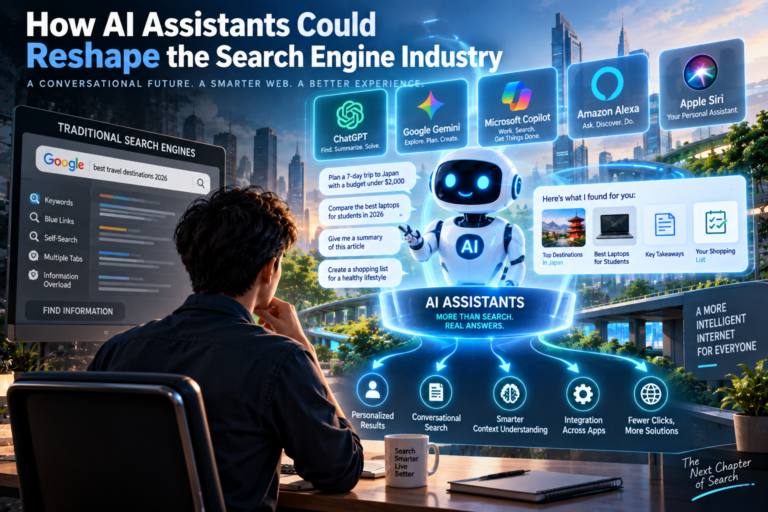
The search landscape is changing faster than ever, and one of the most significant developments in recent years is the introduction of Google AI Overviews. Powered by advanced artificial intelligence, AI Overviews are transforming how search results are presented and how users interact with information online.
For website owners, digital marketers, and SEO professionals, this shift represents both a challenge and an opportunity. Traditional SEO strategies that focused primarily on ranking highly in search engine results pages (SERPs) are no longer enough. The rise of AI-generated summaries is creating a new SEO reality where visibility depends not only on rankings but also on becoming a trusted source of information for Google’s AI systems.
Understanding how Google AI Overviews work and how they impact organic traffic is essential for anyone looking to maintain a strong online presence in the years ahead.
What Are Google AI Overviews?
Google AI Overviews are AI-generated summaries that appear at the top of certain search results. Instead of displaying only a list of websites, Google uses artificial intelligence to generate a concise answer that addresses a user’s query directly.
For example, if someone searches for:
“How can I improve my website’s loading speed?”
Google may generate a detailed overview that summarizes key recommendations, such as optimizing images, reducing unnecessary scripts, enabling browser caching, and improving server performance.
The information used to create these summaries is gathered from multiple trusted sources across the web.
The goal is to help users find answers faster without requiring them to visit several different websites.
Why AI Overviews Matter
The introduction of AI Overviews marks a major shift in the evolution of search.
For decades, search engines primarily acted as directories that guided users to external websites. Success in SEO largely depended on achieving high rankings and generating clicks.
AI Overviews change this model by providing information directly within search results.
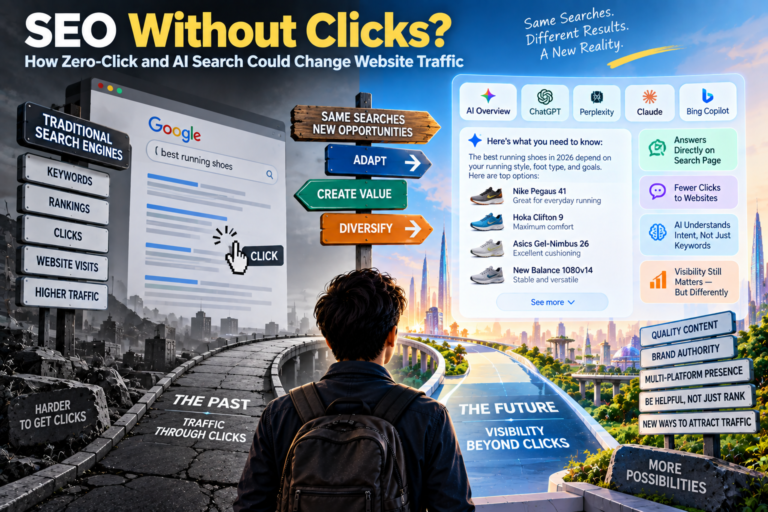
As a result, users may obtain answers without clicking through to a website. This phenomenon is often referred to as a zero-click search.
While this can improve user convenience, it also creates new challenges for publishers that depend on organic search traffic.
Businesses must now compete not only for rankings but also for inclusion within AI-generated responses.
The Impact on Organic Traffic
One of the biggest concerns surrounding AI Overviews is their effect on organic traffic.
Traditionally, ranking on the first page of Google could generate significant visitor volume. However, when users receive complete answers directly within search results, fewer people may feel the need to click external links.
This does not mean that organic traffic will disappear, but traffic patterns are likely to change.
Websites that provide basic informational content may experience reduced click-through rates because AI Overviews can answer simple questions immediately.
On the other hand, websites offering in-depth analysis, original research, expert insights, and specialized knowledge may continue attracting highly engaged visitors seeking more comprehensive information.
The focus is shifting from traffic quantity to traffic quality.
Content Quality Has Become More Important
In the era of AI Overviews, content quality is more important than ever.
Google’s AI systems need reliable and trustworthy sources when generating summaries. Websites that consistently publish valuable information have a greater chance of being referenced.
High-quality content should include:
- Accurate information
- Clear explanations
- Original insights
- Expert perspectives
- Updated data
- Practical examples
Generic articles that simply repeat information already available elsewhere may struggle to gain visibility.
Creating unique content that demonstrates expertise can help increase the likelihood of being recognized as a credible source.
Understanding E-E-A-T
Google continues to emphasize the importance of E-E-A-T:
- Experience
- Expertise
- Authoritativeness
- Trustworthiness
These principles are becoming increasingly important in the AI-driven search environment.
As AI systems evaluate content, they look for signals that indicate reliability and credibility.
Businesses can strengthen E-E-A-T by:
- Publishing expert-written content
- Demonstrating real-world experience
- Providing transparent author information
- Citing reputable sources
- Maintaining factual accuracy
Trust has become one of the most valuable assets in modern SEO.
SEO Is Evolving Beyond Keywords
Keywords remain an important component of SEO, but their role is changing.
Traditional optimization often focused heavily on targeting specific search phrases. While keyword research still matters, Google’s AI systems now prioritize understanding user intent and context.
For example, rather than simply matching the phrase “best marketing software,” AI can understand whether the user is seeking reviews, comparisons, pricing information, or implementation guidance.
As a result, content creators should focus on answering real questions and solving user problems rather than obsessing over exact keyword usage.
Topic depth and relevance are becoming more influential than keyword density.
Structuring Content for AI Visibility
Content structure plays an important role in helping AI systems understand information.
Well-organized articles are easier for both users and search engines to process.
Best practices include:
Using Clear Headings
Headings help organize information and improve readability.
Answering Questions Directly
Providing concise answers to common questions can increase visibility in AI-generated summaries.
Creating Comprehensive Content
Covering topics thoroughly helps establish authority and relevance.
Improving Readability
Short paragraphs, bullet points, and logical organization make content easier to understand.
Content that is easy to interpret is more likely to be referenced by AI systems.
Building Brand Authority in the AI Era
As AI-generated answers become more common, brand authority will play a larger role in search visibility.
Search engines increasingly favor sources that have established reputations and demonstrated expertise.
Businesses can strengthen their authority by:
- Publishing high-quality content regularly
- Building industry recognition
- Earning reputable backlinks
- Engaging with audiences across multiple platforms
- Maintaining a strong online presence
Brand credibility can help distinguish a website from countless competitors in increasingly crowded search environments.
Opportunities Created by AI Overviews
While some marketers view AI Overviews as a threat, they also create new opportunities.
Websites that consistently provide authoritative information can gain exposure through AI-generated summaries, even if users do not always click through immediately.
Being referenced by Google’s AI can strengthen brand recognition and establish credibility.
Additionally, users who do click through after viewing an AI Overview are often more informed and more engaged, potentially leading to higher conversion rates.
Organizations that adapt quickly can benefit from these changing dynamics.
Conclusion
Google AI Overviews represent a major evolution in the way search engines deliver information. By providing AI-generated summaries directly within search results, Google is changing how users interact with content and how websites earn visibility.
The new SEO reality requires businesses to focus less on simple rankings and more on creating trustworthy, high-quality content that demonstrates expertise and authority. While organic traffic patterns may continue to evolve, the fundamental goal remains the same: providing valuable information that helps users solve problems and make informed decisions.
As AI becomes increasingly integrated into search, the most successful websites will be those that prioritize quality, credibility, and user experience. Rather than resisting change, businesses should embrace the opportunities presented by AI Overviews and adapt their strategies for the future of search.
About the Author