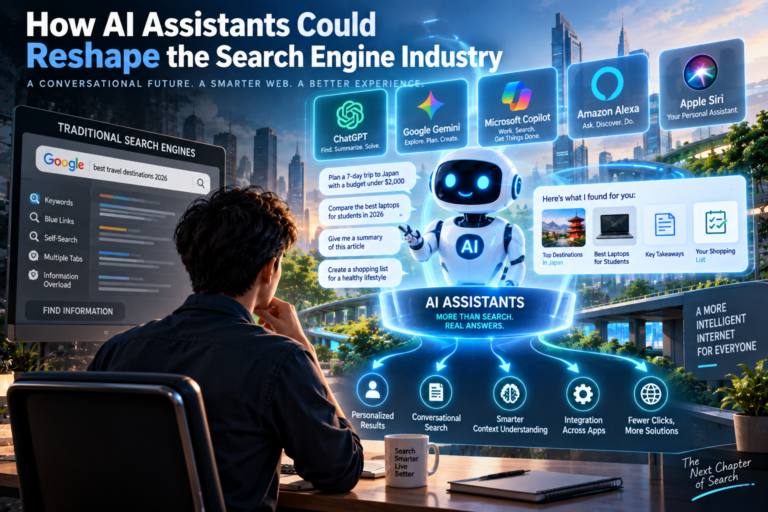
The world of search is changing faster than ever before. For years, businesses focused primarily on ranking highly in traditional search engine results pages (SERPs) to attract customers and grow their online presence. Search Engine Optimization (SEO) revolved around keywords, backlinks, technical improvements, and content creation.
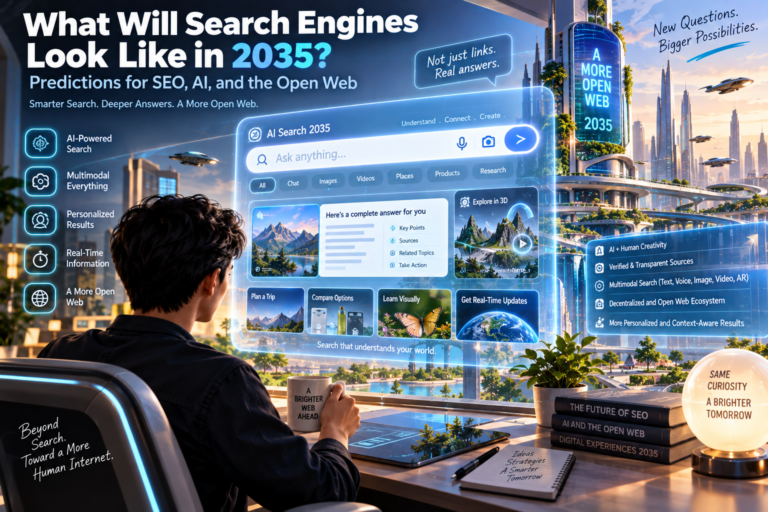
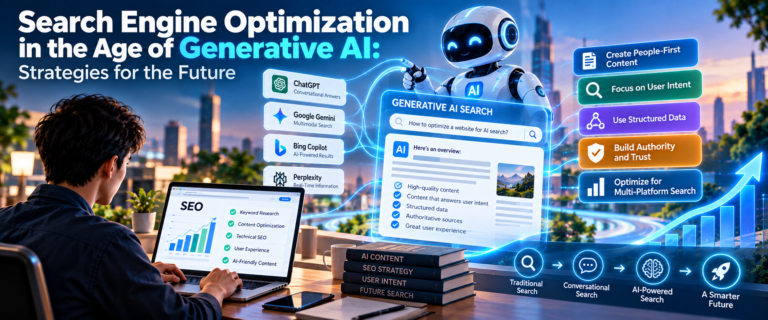
Today, however, the search landscape is undergoing a major transformation. Artificial intelligence (AI), conversational search, voice assistants, personalized recommendations, and answer-driven search experiences are redefining how users discover information online. Search engines are evolving from simple directories of websites into intelligent systems capable of providing direct answers and tailored recommendations.
As a result, businesses can no longer rely solely on traditional SEO strategies. To remain visible in the future of search, organizations must adapt to new technologies, changing user behavior, and evolving search algorithms. Those that embrace these changes early will be better positioned for long-term success.
The Search Experience Is Becoming More Intelligent
Modern search engines are increasingly powered by artificial intelligence. Instead of simply matching keywords to web pages, they now analyze context, user intent, and conversational language.
For example, a user might ask:
“What is the best project management software for a small remote team with a limited budget?”
Rather than displaying only a list of links, AI-powered search systems can provide a detailed summary, product comparisons, and recommendations directly within search results.
This shift means businesses must focus on becoming trusted sources of information rather than simply competing for rankings.
The future of search is centered on delivering the best answers, not just the most optimized pages.
Prioritize Search Intent Over Keywords
Keywords remain important, but understanding user intent is becoming far more valuable.
Search intent refers to the reason behind a search query. Users may be looking to:
- Learn something
- Compare options
- Solve a problem
- Make a purchase
- Find local services
Successful businesses create content that addresses these goals directly.
Instead of focusing only on individual keywords, companies should identify the questions, challenges, and needs of their target audience.
Content that genuinely solves problems is more likely to perform well in both traditional and AI-driven search environments.
Invest in High-Quality Content
Content remains one of the most important factors influencing visibility.
However, the definition of quality is evolving.
Modern search systems favor content that provides:
- Accurate information
- Expert insights
- Practical value
- Original perspectives
- Comprehensive coverage
Generic articles that simply repeat information already available elsewhere are becoming less effective.
Businesses should focus on creating resources that demonstrate expertise and offer meaningful value to users.
Examples include:
- Detailed guides
- Industry research
- Case studies
- Expert interviews
- Data-driven reports
High-quality content helps establish authority and increases the likelihood of being referenced by AI-powered search systems.
Build Topical Authority
Rather than publishing random content across many subjects, businesses should focus on developing authority within specific areas of expertise.
Topical authority is established when a website consistently provides valuable information on a particular subject.
For example, a cybersecurity company should publish content covering topics such as:
- Data protection
- Threat detection
- Network security
- Compliance standards
- Cybersecurity trends
Covering related topics comprehensively helps search engines recognize expertise and trustworthiness.
Topical authority is becoming increasingly important as AI systems evaluate content quality and credibility.
Strengthen E-E-A-T Signals
Google emphasizes E-E-A-T:
- Experience
- Expertise
- Authoritativeness
- Trustworthiness
These principles play a major role in determining which sources search engines consider reliable.
Businesses can strengthen E-E-A-T by:
- Publishing expert-written content
- Highlighting author credentials
- Demonstrating real-world experience
- Citing trustworthy sources
- Maintaining transparency
Trust is becoming one of the most valuable assets in digital visibility.
As AI-generated content becomes more common, search engines are likely to place even greater emphasis on credibility.
Optimize for Conversational Search
The rise of AI assistants and voice search is making search behavior more conversational.
Users increasingly ask complete questions instead of typing short keyword phrases.
Examples include:
Traditional query:
“best CRM software”
Conversational query:
“What is the best CRM software for a growing small business with fewer than 20 employees?”
Businesses should create content that reflects how people naturally ask questions.
Effective strategies include:
- FAQ sections
- Question-based headings
- Conversational language
- Detailed answers
Optimizing for conversational search helps improve relevance in AI-powered environments.
Focus on Technical SEO
Even as search becomes more intelligent, technical SEO remains essential.
Search engines still need to crawl, understand, and index content effectively.
Key technical priorities include:
- Fast loading speeds
- Mobile responsiveness
- Secure HTTPS connections
- Clear site architecture
- Structured data implementation
- Accessibility improvements
A technically optimized website improves both user experience and search visibility.
Strong technical foundations support every other aspect of digital marketing.
Diversify Traffic Sources
One of the biggest risks facing businesses today is overreliance on a single platform.
Search algorithms change frequently, and traffic patterns can shift unexpectedly.
Successful organizations diversify their audience acquisition channels through:
- Email marketing
- Social media
- Video content
- Online communities
- Partnerships
- Referral programs
Building direct relationships with customers reduces dependence on search engines and increases long-term stability.
Diversification creates resilience in a rapidly changing digital environment.
Embrace AI as a Tool
Many businesses view AI solely as a disruption, but it can also serve as a powerful asset.
AI can help organizations:
- Analyze user behavior
- Identify content opportunities
- Improve customer support
- Generate insights
- Enhance productivity
The most successful companies will learn how to integrate AI into their workflows while maintaining human expertise and creativity.
Businesses that embrace AI strategically are likely to gain competitive advantages in future search ecosystems.
Build a Strong Brand Presence
Brand recognition is becoming increasingly important in search.
Users are more likely to trust and engage with businesses they recognize.
Search engines also favor reputable brands because they often provide consistent signals of authority and reliability.
Businesses can strengthen brand visibility by:
- Publishing valuable content regularly
- Engaging with audiences
- Maintaining consistent messaging
- Participating in industry discussions
- Building a positive reputation
A strong brand can drive direct traffic, increase trust, and improve overall search performance.
Prepare for a Multi-Platform Future
The future of search extends beyond traditional search engines.
Users now discover information through:
- AI assistants
- Social media platforms
- Video-sharing websites
- Voice search devices
- Community forums
- Recommendation engines
Businesses must adopt a broader view of online visibility.
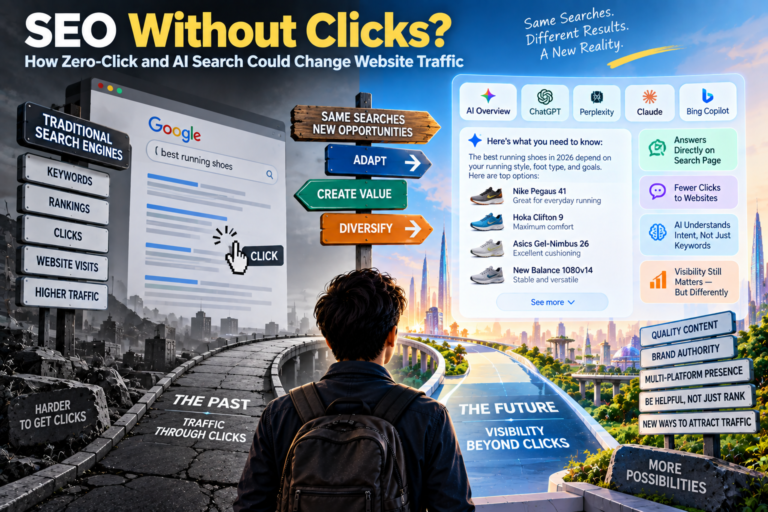
Success will increasingly depend on reaching audiences wherever they seek information rather than focusing exclusively on search rankings.
Conclusion
The future of search is being shaped by artificial intelligence, conversational interfaces, evolving user behavior, and increasing demands for trustworthy information. Businesses that rely solely on traditional SEO tactics may struggle to maintain visibility as search technology continues to advance.
To stay visible in the future of search, organizations must prioritize user intent, create high-quality content, build topical authority, strengthen trust signals, and diversify their marketing efforts. They must also embrace AI as a tool while maintaining a strong focus on human expertise and authentic value.
The businesses that succeed in the coming years will be those that adapt quickly, invest in credibility, and consistently deliver meaningful experiences to their audiences. In a world where search is becoming smarter and more personalized, visibility will belong to brands that genuinely help users find the answers they need.
About the Author