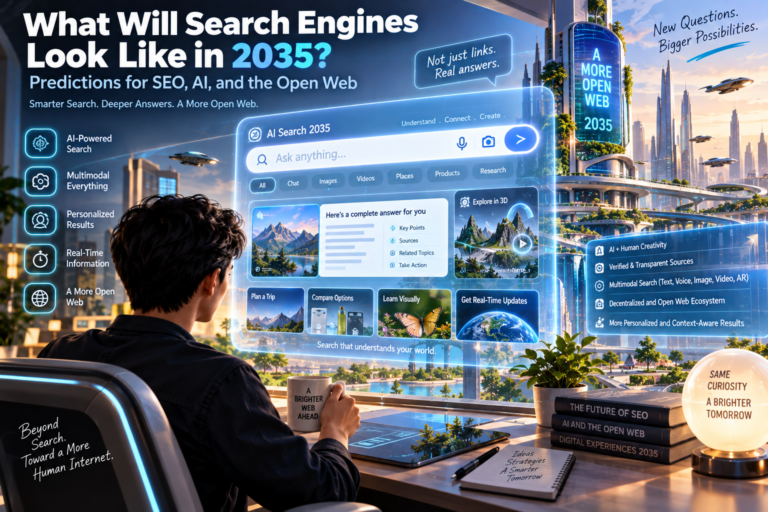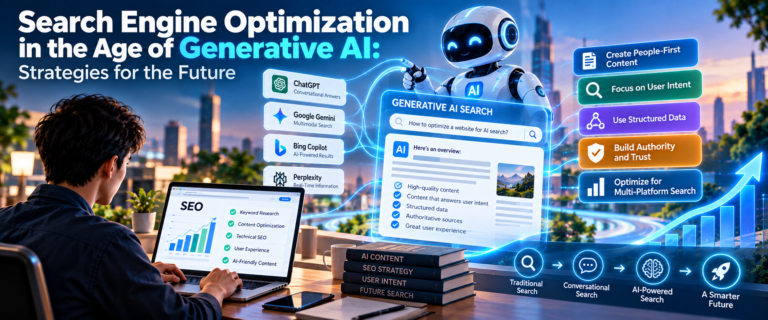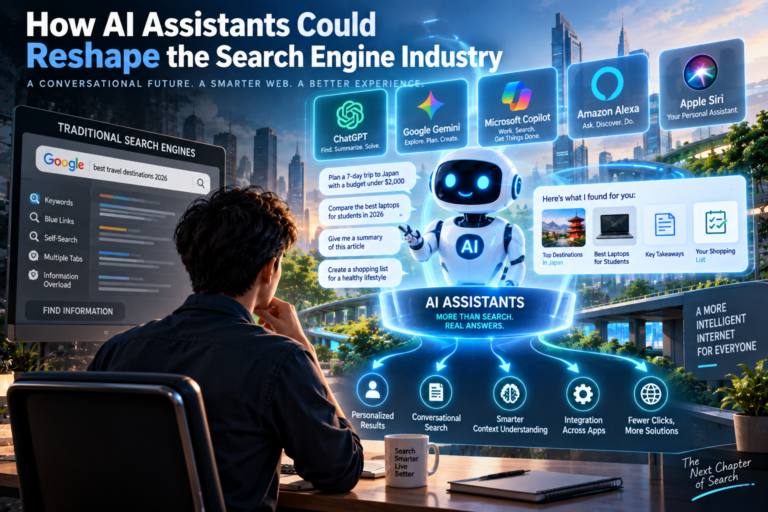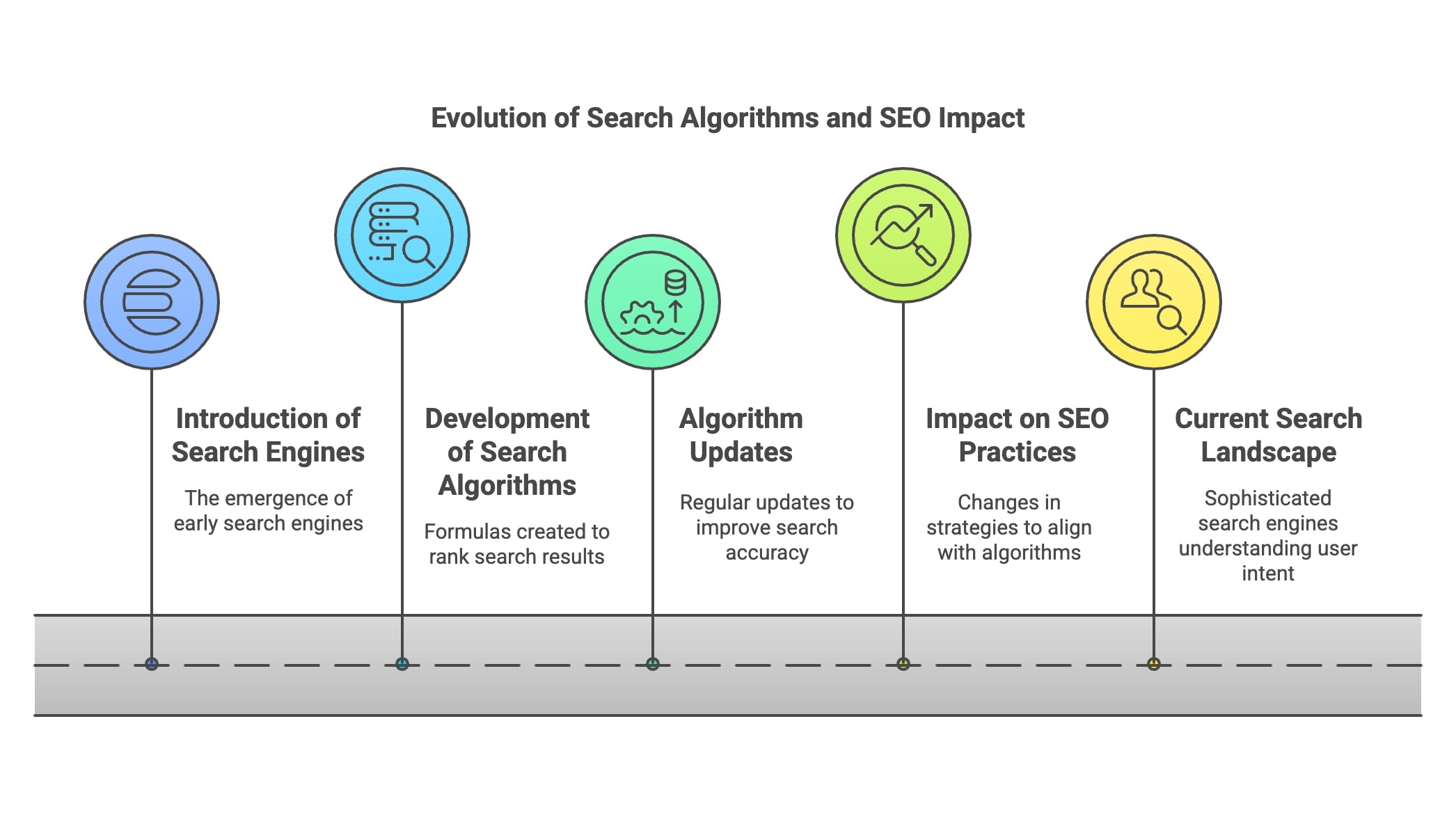
The way people search for information online is changing rapidly. For decades, search engines relied heavily on keywords to connect users with relevant web pages. Businesses and website owners focused on optimizing content around specific search terms to improve rankings and attract traffic. However, the rise of artificial intelligence (AI) is transforming the search landscape in ways that were once unimaginable.
Today, search is becoming more conversational, intuitive, and context-aware. Instead of typing a few keywords into a search bar, users increasingly interact with AI-powered systems using natural language, asking detailed questions and expecting direct, personalized answers. This shift is reshaping digital marketing, content creation, and search engine optimization (SEO).
Understanding how search is evolving in the AI era is essential for businesses, marketers, and content creators who want to maintain visibility and remain competitive in an increasingly intelligent online ecosystem.
The Traditional Keyword-Based Search Model
For many years, search engines primarily relied on keywords to determine which web pages should appear in search results. Users entered short phrases such as:
- Best smartphones
- Digital marketing tips
- Healthy breakfast recipes
Search engines analyzed these keywords and matched them with web pages that appeared relevant.
As a result, SEO strategies focused heavily on keyword research, keyword placement, backlink building, and technical optimization. While content quality mattered, success often depended on how effectively a website could align with search engine ranking factors.
This approach worked well when search engines had limited ability to understand context and user intent. However, as technology advanced, the limitations of keyword-based search became increasingly apparent.
The Rise of AI-Powered Search
Artificial intelligence has introduced a new era of search technology. Modern search engines can now understand language in ways that closely resemble human comprehension.
Rather than focusing solely on keywords, AI systems analyze:
- User intent
- Search context
- Semantic meaning
- Previous interactions
- Conversational patterns
For example, instead of searching for:
“best laptop students”
A user might ask:
“What is the best laptop for a college student who needs long battery life and uses graphic design software?”
AI-powered search engines can interpret the full meaning behind the question and deliver more accurate results.
This ability to understand complex language has fundamentally changed how users interact with search platforms.
From Search Queries to Conversations
One of the most significant developments in modern search is the transition from isolated queries to ongoing conversations.
AI assistants and conversational search tools allow users to ask follow-up questions without repeating previous context.
For example:
User: “What is the best electric car for families?”
AI response: “Here are several top options…”
User: “Which one has the longest driving range?”
The system understands that the second question relates to the previously discussed electric vehicles.
This conversational approach creates a more natural and efficient search experience, similar to speaking with a knowledgeable expert.
As conversational search becomes more common, content creators must think beyond individual keywords and focus on addressing broader topics and user needs.
Why User Intent Matters More Than Keywords
In the AI era, understanding user intent has become one of the most important aspects of search optimization.
Search engines are increasingly focused on answering the question behind the query rather than simply matching words.
Consider the keyword:
“running shoes”
Different users may have completely different intentions:
- Buying running shoes
- Comparing brands
- Reading reviews
- Learning about running techniques
- Finding affordable options
AI-powered search systems analyze context clues to determine the most relevant response.
For businesses, this means creating content that addresses multiple stages of the customer journey rather than targeting isolated keywords alone.
Content that solves problems and provides meaningful information is more likely to succeed in modern search environments.
The Impact on SEO Strategies
The evolution of search does not mean SEO is disappearing. Instead, SEO is becoming more sophisticated.
Successful SEO strategies now emphasize:
High-Quality Content
Search engines reward content that delivers genuine value to users. Articles should be informative, accurate, and well-structured.
Topic Authority
Rather than producing dozens of keyword-focused pages, many successful websites now create comprehensive content hubs that cover topics in depth.
Natural Language Optimization
Content should reflect how people naturally speak and ask questions. This helps align with conversational search behavior.
User Experience
Fast-loading pages, mobile-friendly design, and easy navigation remain essential ranking factors.
Trust and Credibility
Search engines increasingly prioritize content from trustworthy sources with demonstrated expertise.
These elements help websites remain visible in both traditional and AI-driven search results.
The Growing Role of AI-Generated Answers
One of the most notable changes in search is the emergence of AI-generated summaries and direct answers.
Instead of presenting users with only a list of links, search platforms can now provide concise responses generated from multiple sources.
This development offers convenience for users but creates new challenges for publishers.
Websites can no longer rely solely on ranking highly in search results. They must also create content that AI systems recognize as authoritative and valuable enough to reference.
Original research, expert opinions, case studies, and unique insights are becoming increasingly important because they provide information that cannot easily be replicated.
Building Content for the AI Era
To succeed in the future of search, content creators should focus on creating resources that answer real questions and demonstrate expertise.
Best practices include:
- Writing clear and comprehensive articles
- Using descriptive headings and subheadings
- Addressing common user questions
- Providing practical examples
- Updating content regularly
- Supporting claims with reliable information
Content should be designed for both human readers and AI systems that analyze and summarize information.
A strong focus on quality and relevance helps improve visibility across multiple search formats.
The Importance of E-E-A-T
Google emphasizes the principles of E-E-A-T:
- Experience
- Expertise
- Authoritativeness
- Trustworthiness
These factors are becoming even more important as AI-generated content becomes widespread.
Users and search engines alike seek reliable information from credible sources.
Businesses can strengthen E-E-A-T by:
- Publishing expert-driven content
- Highlighting author credentials
- Maintaining transparency
- Demonstrating real-world experience
- Building a positive online reputation
Trust is likely to become one of the most valuable assets in the future of digital visibility.
Conclusion
The evolution from keywords to conversations represents one of the most significant changes in the history of search. AI-powered technologies are transforming how users find information, shifting the focus from simple keyword matching to understanding intent, context, and natural language.
While traditional SEO principles remain important, success in the AI era requires a broader approach centered on user needs, content quality, and trustworthiness. Businesses that embrace conversational search and prioritize valuable, user-focused content will be better positioned to thrive in the future.
As search engines continue to evolve, the winners will not be those who simply optimize for algorithms, but those who create meaningful experiences and provide the answers users are truly looking for.
About the Author