Search Engine Optimization (SEO) has evolved dramatically over the past two decades. In the early days of search marketing, success often depended on finding the right keywords and placing them strategically throughout a webpage. Businesses invested heavily in keyword research, exact-match phrases, and optimization techniques designed to improve rankings for specific search terms.
Today, while keywords remain an important component of SEO, search engines have become far more sophisticated. Modern algorithms are no longer focused solely on matching words entered into a search box. Instead, they aim to understand the true purpose behind a user’s search. This concept, known as search intent, has become one of the most important factors influencing online visibility.
As artificial intelligence and machine learning continue to transform search technology, understanding and satisfying user intent is becoming more valuable than simply targeting keywords. Businesses and content creators who adapt to this shift are more likely to achieve long-term success in search results.
What Is Search Intent?
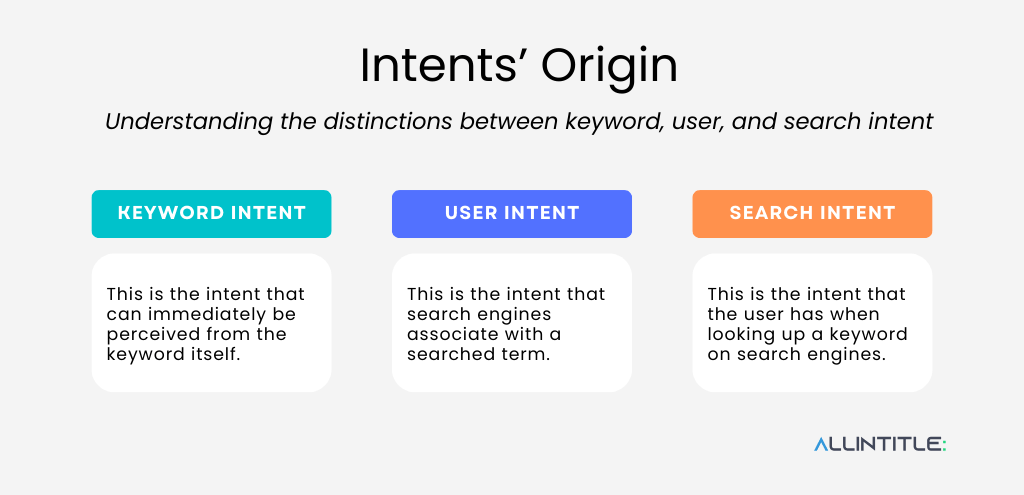
Search intent refers to the reason behind a user’s search query. It represents what the user is actually trying to accomplish when they type a phrase into a search engine.
For example, two users might search for similar keywords but have completely different goals.
Someone searching for:
“best running shoes”
may want:
- Product recommendations
- Customer reviews
- Buying guides
- Price comparisons
Another person searching for:
“how to choose running shoes”
may simply want educational information rather than a product purchase.
Although the keywords are related, the intent behind each search is different.
Modern search engines work hard to identify these differences and deliver results that best match user expectations.
The Evolution Beyond Keyword Matching
In the past, search engines relied heavily on keyword matching.
If a user searched for “digital marketing tips,” search engines primarily looked for pages containing those exact words.
This approach often led to poor user experiences because keyword matching alone could not accurately determine what users actually wanted.
As technology improved, search engines began using advanced algorithms capable of understanding:
- Context
- User behavior
- Semantic meaning
- Natural language
- Search history
Today, search engines focus on interpreting intent rather than simply identifying matching words.
This shift allows users to receive more relevant and useful results.
The Four Main Types of Search Intent
Understanding the primary categories of search intent helps businesses create more effective content.
1. Informational Intent
Users with informational intent are seeking knowledge or answers.
Examples include:
- What is SEO?
- How does cloud computing work?
- Benefits of exercise
These searches typically require educational content that provides detailed explanations and valuable insights.
2. Navigational Intent
Users already know where they want to go and use search engines to find a specific website or page.
Examples include:
- Facebook login
- YouTube homepage
- Gmail sign in
In these cases, users are not researching; they are simply navigating.
3. Transactional Intent
Transactional searches indicate a readiness to take action, often involving a purchase.
Examples include:
- Buy wireless headphones
- Discount laptop deals
- Order pizza online
These users are often close to making a decision and require content that supports conversions.
4. Commercial Investigation Intent
Users are researching products or services before making a purchase.
Examples include:
- Best smartphones for photography
- Top project management software
- Product comparison reviews
Content targeting commercial intent should help users evaluate options and make informed decisions.
Understanding these categories helps content creators align their pages with user expectations.
Why Search Intent Matters More Than Keywords
Search engines increasingly prioritize relevance over keyword repetition.
Consider the keyword:
“best budget laptop”
A webpage that repeats this phrase dozens of times but provides little useful information is unlikely to perform well.
In contrast, a comprehensive article that compares affordable laptops, explains key features, discusses performance, and helps users choose the right option is far more likely to satisfy search intent.
Search engines measure user satisfaction through various signals, including:
- Time spent on page
- Engagement levels
- Click behavior
- Return visits
- Bounce rates
Content that fulfills intent often generates stronger engagement, which can contribute to better visibility over time.
Artificial Intelligence Is Accelerating the Shift
Artificial intelligence has significantly improved search engines’ ability to understand intent.
Modern AI systems can interpret complex and conversational queries such as:
“What is the best laptop for a college student who needs video editing software and long battery life?”
Rather than focusing on individual keywords, AI analyzes the entire question and identifies the underlying needs.
This allows search engines to provide more personalized and relevant results.
As AI-powered search continues to evolve, websites that focus solely on keywords may struggle to compete with content that genuinely addresses user needs.
Creating Content Around Intent
To succeed in modern SEO, content creators should start by understanding what users want to achieve.
Before writing content, consider:
- What problem is the user trying to solve?
- What information are they seeking?
- What action do they want to take?
- What concerns might they have?
Answering these questions helps create content that aligns with user expectations.
For example, a user searching for:
“how to start a blog”
likely wants:
- Step-by-step guidance
- Platform recommendations
- Cost estimates
- Common mistakes to avoid
Content that addresses these needs thoroughly is more likely to perform well than content focused only on keyword placement.
The Role of Content Quality
Search intent and content quality are closely connected.
High-quality content typically:
- Provides complete answers
- Uses clear language
- Includes practical examples
- Addresses related questions
- Offers actionable advice
Search engines increasingly reward content that demonstrates expertise and usefulness.
Generic articles that lack depth often struggle to compete in modern search environments.
Creating valuable resources helps build authority and improve long-term visibility.
E-E-A-T and User Satisfaction
Google emphasizes E-E-A-T:
- Experience
- Expertise
- Authoritativeness
- Trustworthiness
These principles support search intent optimization because they help identify content that users can rely on.
When users search for important information, they expect accurate and credible answers.
Businesses can strengthen E-E-A-T by:
- Publishing expert content
- Sharing real-world experience
- Citing trustworthy sources
- Maintaining transparency
Trustworthy content is more likely to satisfy users and gain visibility in search results.
Common Mistakes to Avoid
Many websites still focus too heavily on keywords while neglecting intent.
Common mistakes include:
- Keyword stuffing
- Creating thin content
- Ignoring user questions
- Targeting broad keywords without context
- Prioritizing rankings over user value
These tactics may have worked years ago, but they are less effective in today’s search landscape.
Successful SEO requires understanding the people behind the searches, not just the words they type.
Conclusion
Search intent has become one of the most important factors in modern SEO. While keywords still help search engines understand content, they are no longer the primary focus. Today’s algorithms prioritize understanding why users search and delivering results that best meet their needs.
As artificial intelligence continues to improve search capabilities, the gap between keyword optimization and intent optimization will grow even wider. Businesses that focus on solving problems, answering questions, and providing meaningful value will be better positioned for long-term success.
The future of SEO belongs to websites that understand their audience, create helpful content, and align every page with genuine user intent. In a search environment driven by relevance and user satisfaction, understanding intent is no longer optional—it is essential.
About the Author