For many businesses, Google is the primary source of website traffic. With billions of daily searches and a dominant position in the search engine market, it has become the foundation of countless digital marketing strategies. Companies invest heavily in Search Engine Optimization (SEO) to improve rankings, increase visibility, and attract potential customers through organic search.
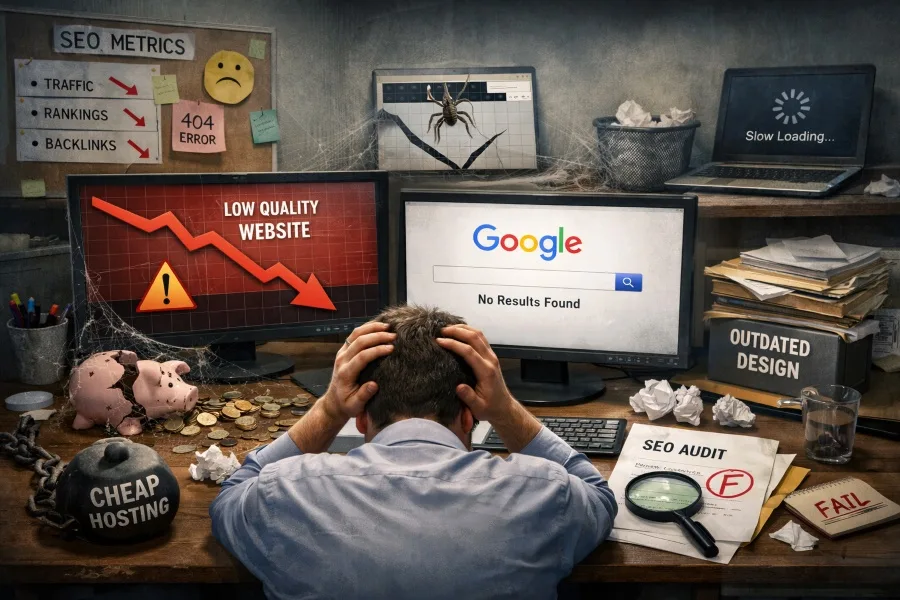
While Google remains one of the most powerful traffic sources available, relying too heavily on a single platform can create significant risks. Many website owners discover this reality only after experiencing a sudden traffic decline caused by an algorithm update, increased competition, or changes in user behavior.
SEO remains an essential part of digital marketing, but placing all your growth expectations on Google can leave your business vulnerable. Understanding these hidden risks can help organizations build more resilient and sustainable online strategies.
Why Businesses Depend So Much on Google
Google has earned its reputation as the world’s leading search engine by consistently helping users find relevant information quickly. For businesses, ranking highly on Google can generate:
- Consistent website traffic
- Brand visibility
- Lead generation
- Product sales
- Long-term growth opportunities
Unlike paid advertising, organic search traffic often provides a lower cost per acquisition over time. This makes SEO an attractive investment for businesses of all sizes.
As a result, many organizations focus the majority of their digital marketing efforts on improving Google rankings. While this strategy can be effective, it can also create a dangerous dependency.
Algorithm Updates Can Change Everything Overnight
One of the biggest risks of relying heavily on Google is the unpredictability of algorithm updates.
Google regularly updates its search algorithms to improve search quality and user experience. Some updates are minor, while others significantly impact rankings across entire industries.
A website that receives thousands of daily visitors from search traffic may suddenly experience substantial declines after an update.
Common reasons include:
- Changes in ranking factors
- Increased emphasis on content quality
- Improved spam detection
- User experience requirements
- Search intent adjustments
Even websites that follow SEO best practices can experience fluctuations.
When a large percentage of traffic comes from Google, a single update can have a major effect on revenue, leads, and business performance.
Organic Traffic Is Never Guaranteed
Many website owners mistakenly assume that strong rankings will last indefinitely.
In reality, search rankings are constantly changing.
Competitors continuously improve their content, build authority, and invest in SEO. New websites enter the market every day, creating greater competition for valuable search terms.
A page that ranks first today may rank fifth or tenth in the future, even if no major mistakes have been made.
Because search results are dynamic, businesses should avoid treating Google traffic as a guaranteed resource.
Diversification provides greater protection against unexpected changes.
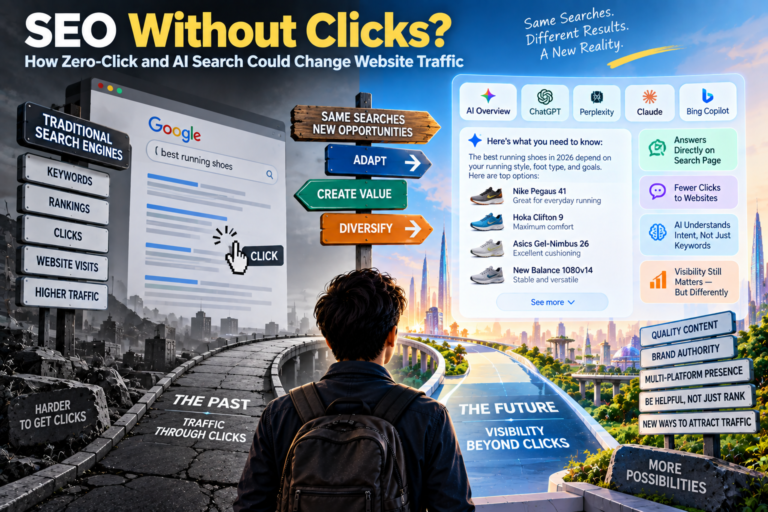
The Rise of Zero-Click Searches
Another hidden challenge is the growth of zero-click searches.
A zero-click search occurs when users receive the information they need directly within Google’s search results without visiting an external website.
Examples include:
- Weather forecasts
- Definitions
- Sports scores
- Calculations
- Business information
- AI-generated summaries
Google increasingly provides answers directly on the results page, reducing the need for users to click through to websites.
Even if your content contributes to these answers, you may receive fewer visitors than in the past.
This trend demonstrates why visibility alone does not always translate into traffic.
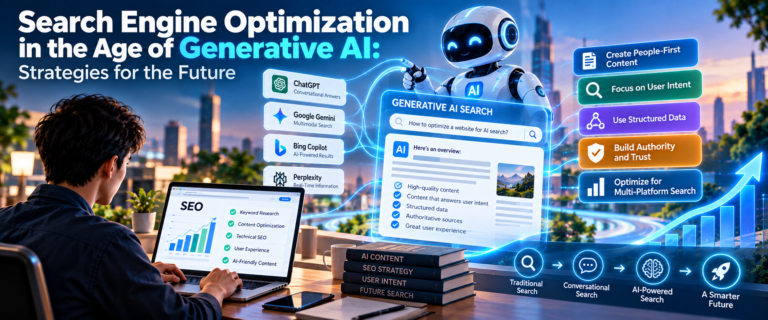
AI Is Changing Search Behavior
Artificial intelligence is reshaping the search landscape.
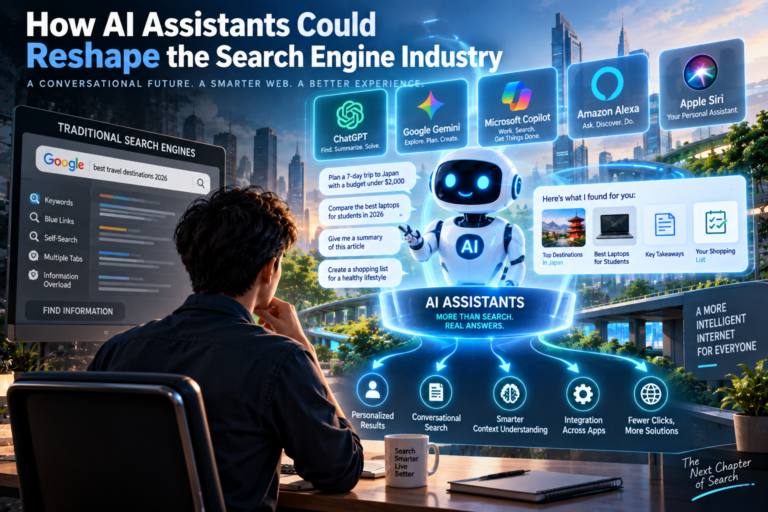
Google’s AI-powered search features can generate summaries and direct answers that reduce reliance on traditional website visits.
Users increasingly interact with:
- AI search assistants
- Conversational search tools
- Voice assistants
- Personalized recommendations
Instead of browsing multiple websites, users often receive concise answers immediately.
This shift creates new challenges for businesses that depend entirely on traditional organic traffic.
As AI continues to evolve, marketers must adapt their strategies to reach audiences through multiple channels.
Revenue Risks from Traffic Dependence
Traffic concentration creates financial vulnerability.
Imagine a business that receives 90% of its visitors from Google search. If traffic drops by 40% following an algorithm update, revenue may decline significantly.
This scenario is common among websites that lack diversified marketing channels.
The greater the dependence on one traffic source, the greater the risk of disruption.
Successful businesses often build multiple pathways for attracting customers rather than relying on a single platform.
The Importance of Building a Brand
One of the most effective ways to reduce dependence on Google is to build a recognizable brand.
Strong brands generate traffic from:
- Direct visits
- Referrals
- Social media
- Email subscribers
- Word-of-mouth recommendations
When users actively search for your brand name, your visibility becomes less dependent on generic keyword rankings.
Brand authority also improves trust, customer loyalty, and long-term business stability.
Investing in brand development can provide lasting benefits beyond SEO performance.
Why Email Marketing Still Matters
Email marketing remains one of the most valuable digital assets because it provides direct access to your audience.
Unlike search engine traffic, email subscribers belong to your own marketing ecosystem.
Benefits include:
- Greater control over communication
- Higher engagement rates
- Reduced platform dependence
- Improved customer retention
Building an email list helps create a reliable audience regardless of future search engine changes.
Many successful businesses prioritize email list growth alongside SEO efforts.
Diversifying Your Traffic Sources
A healthy digital marketing strategy includes multiple traffic channels.
Examples include:
Social Media
Platforms can help expand brand awareness and drive targeted visitors.
Video Content
Video platforms continue to attract large audiences across numerous industries.
Community Engagement
Forums, online groups, and niche communities can generate valuable referral traffic.
Partnerships
Collaborations with industry websites and influencers can expand reach.
Paid Advertising
Strategic advertising campaigns provide an additional source of traffic when needed.
Diversification reduces risk and creates greater long-term stability.
SEO Should Remain Part of the Strategy
Reducing dependence on Google does not mean abandoning SEO.
Search optimization remains one of the most effective ways to attract qualified visitors.
However, SEO should be viewed as one component of a broader marketing strategy rather than the sole driver of growth.
Businesses that combine SEO with branding, content marketing, email marketing, and audience development are better positioned to withstand industry changes.
The goal is balance rather than dependence.
Preparing for the Future
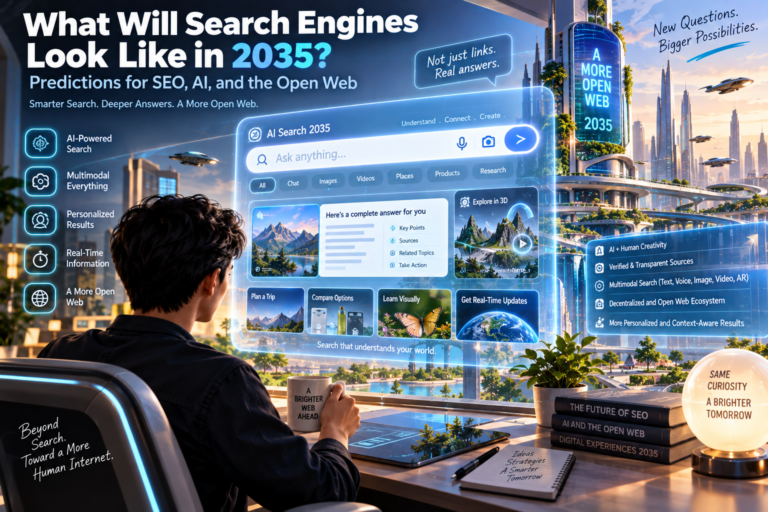
The future of search will likely include greater use of artificial intelligence, conversational interfaces, and personalized experiences.
Google will remain an important platform, but it may not always function in the same way it does today.
Businesses that invest in adaptability, audience ownership, and diversified traffic sources will be better prepared for future changes.
Building strong relationships with customers is often more valuable than relying exclusively on search rankings.
Conclusion
Google remains one of the most powerful sources of online visibility, but relying too heavily on it can create significant SEO risks. Algorithm updates, increased competition, zero-click searches, and AI-driven changes are all reshaping the digital landscape.
The most successful businesses recognize that long-term growth requires more than strong search rankings. By diversifying traffic sources, building brand authority, growing email audiences, and investing in multiple marketing channels, organizations can reduce vulnerability and create a more sustainable online presence.
SEO should continue to play an important role in digital marketing, but it should never be the only strategy. In an increasingly unpredictable digital environment, resilience comes from diversification, adaptability, and maintaining direct relationships with your audience.
About the Author