Organic traffic has long been one of the most valuable sources of website visitors. Unlike paid advertising, organic traffic can generate consistent results over time without requiring ongoing ad spend. For businesses, bloggers, publishers, and online entrepreneurs, strong organic visibility often serves as the foundation of long-term digital growth.
However, many website owners have noticed a troubling trend in recent years: declining organic traffic. Pages that once attracted thousands of visitors each month may suddenly experience reduced visibility, fewer clicks, and lower search rankings. This decline can be frustrating, especially for websites that have invested heavily in content creation and search engine optimization (SEO).
The good news is that a drop in organic traffic does not necessarily mean your website is failing. In many cases, changing search behaviors, algorithm updates, and increased competition are contributing factors. Understanding why your traffic is declining is the first step toward developing an effective recovery strategy.
The Search Landscape Has Changed
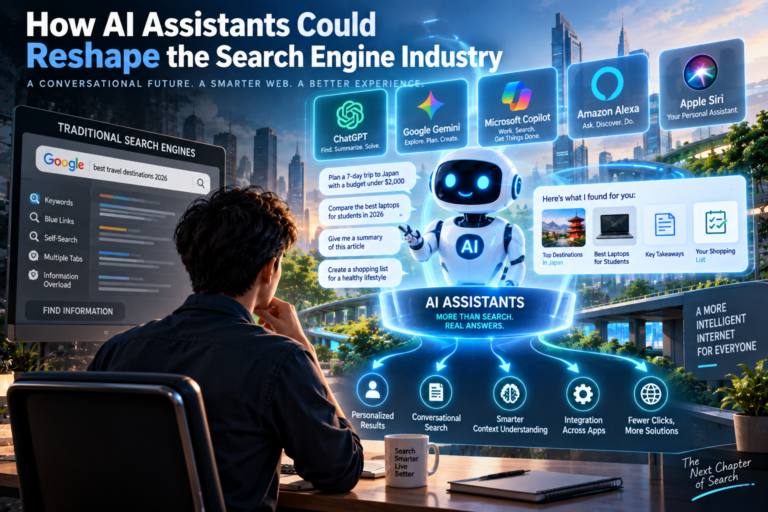
One of the biggest reasons for declining organic traffic is the rapid evolution of search engines.
Modern search platforms are no longer limited to displaying a simple list of website links. Today, search engines provide:
- Featured snippets
- Knowledge panels
- AI-generated summaries
- Local business results
- Video content
- Image carousels
- Direct answers
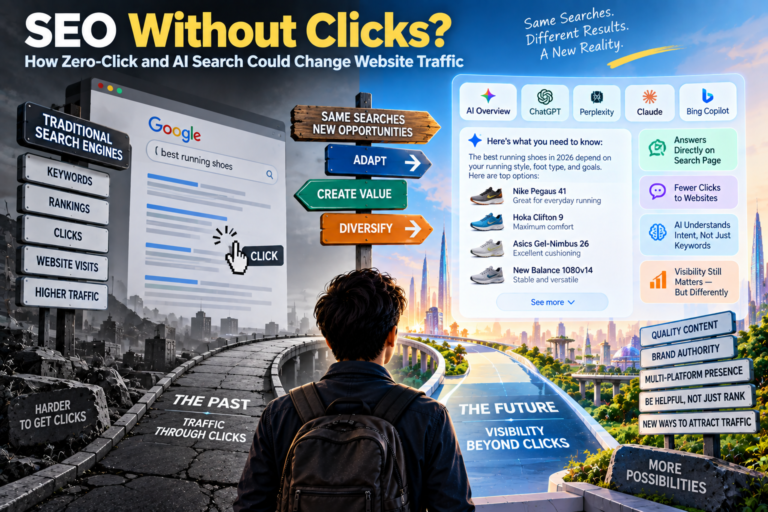
As a result, users can often find the information they need without clicking through to a website.
This phenomenon, commonly known as a zero-click search, has become increasingly common. Even websites that maintain strong rankings may experience fewer clicks because search engines are providing more information directly within search results.
Google Algorithm Updates
Search engines continuously update their algorithms to improve search quality and user experience.
Google alone releases thousands of updates each year, ranging from minor adjustments to major core updates that can significantly impact rankings.
Algorithm updates often prioritize factors such as:
- Content quality
- User experience
- Page speed
- Mobile usability
- Trustworthiness
- Search intent alignment
If your website loses visibility following an update, it may indicate that competitors are providing better content or that your pages no longer meet evolving ranking standards.
Regularly monitoring algorithm changes can help identify potential causes of traffic fluctuations.
Increased Competition
The internet becomes more competitive every year.
Millions of new websites and articles are published regularly, creating intense competition across nearly every niche.
Even if your content has not changed, competitors may be producing:
- More comprehensive articles
- Better user experiences
- Stronger backlink profiles
- More current information
As search engines seek to provide the best possible results, newer and more authoritative content can push older pages lower in rankings.
Maintaining visibility requires continuous improvement rather than relying on past success.
Outdated Content
Content freshness plays an important role in many industries.
Information that was accurate two or three years ago may no longer reflect current trends, technologies, or user expectations.
Examples include:
- SEO strategies
- Digital marketing techniques
- Technology reviews
- Financial information
- Product recommendations
Outdated content may gradually lose rankings as search engines prioritize more current resources.
Refreshing existing content with updated statistics, examples, and insights can help restore visibility and improve user engagement.
Changes in User Behavior
Search behavior is evolving rapidly.
Users increasingly rely on:
- AI search assistants
- Voice search
- Social media platforms
- Video content
- Community forums
Many consumers now discover information through channels that previously played a smaller role in the customer journey.
For example, younger audiences often search for product reviews on video platforms or social networks before using traditional search engines.
These behavioral changes can affect website traffic patterns even when rankings remain stable.
Weak Content Quality
Content quality remains one of the most important ranking factors.
Search engines aim to deliver useful, trustworthy, and relevant information to users.
Low-quality content often exhibits characteristics such as:
- Thin information
- Repetitive wording
- Lack of originality
- Poor organization
- Minimal value for readers
In contrast, high-performing content typically includes:
- Detailed explanations
- Practical examples
- Expert insights
- Clear structure
- Actionable advice
If your content does not adequately meet user needs, rankings may gradually decline over time.
Technical SEO Issues
Technical problems can significantly impact organic visibility.
Common technical SEO issues include:
- Slow page loading times
- Broken links
- Crawl errors
- Duplicate content
- Mobile usability problems
- Indexing issues
Even excellent content may struggle to rank if search engines encounter difficulties accessing or understanding your website.
Regular technical audits can help identify and resolve these issues before they affect performance.
The Growing Importance of E-E-A-T
Google increasingly emphasizes E-E-A-T:
- Experience
- Expertise
- Authoritativeness
- Trustworthiness
These principles help search engines determine whether content is reliable and useful.
Websites that lack credibility may find it difficult to maintain rankings, particularly in competitive industries.
You can strengthen E-E-A-T by:
- Publishing expert-written content
- Showcasing author credentials
- Providing accurate information
- Citing reputable sources
- Maintaining transparency
Trust has become a critical factor in modern SEO success.
What You Can Do to Recover Organic Traffic
While declining traffic can be concerning, there are several effective strategies for recovery.
Update Existing Content
Review older articles and refresh them with:
- Updated information
- New statistics
- Improved formatting
- Additional examples
- Current best practices
Content updates often provide faster results than creating entirely new pages.
Focus on User Intent
Instead of targeting keywords alone, concentrate on understanding what users actually want.
Ask questions such as:
- What problem is the user trying to solve?
- What information are they seeking?
- What outcome do they expect?
Content that satisfies user intent tends to perform better in search results.
Improve Technical Performance
Optimize your website by:
- Increasing page speed
- Fixing broken links
- Improving mobile usability
- Enhancing site navigation
- Ensuring proper indexing
Technical improvements support both rankings and user experience.
Build Topical Authority
Rather than publishing unrelated content, focus on becoming a trusted source within your niche.
Create comprehensive resources that cover key topics in depth and connect related content through internal linking.
This approach helps establish expertise and improves overall visibility.
Diversify Traffic Sources
Relying exclusively on search traffic can be risky.
Consider expanding your reach through:
- Email marketing
- Social media
- Video content
- Online communities
- Partnerships
A diversified audience reduces dependence on algorithm changes.
Looking Ahead
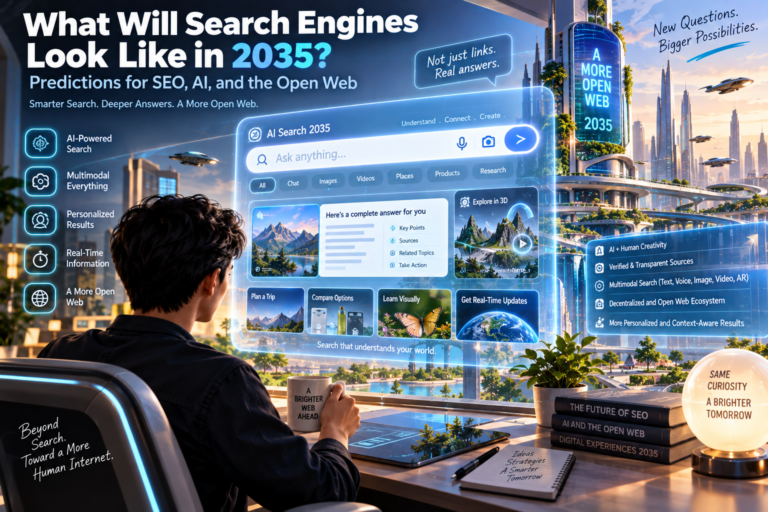
The future of organic traffic is changing as artificial intelligence, conversational search, and personalized experiences become more common. Search engines continue evolving to provide faster and more accurate answers.
While these changes create new challenges, they also create opportunities for websites that prioritize quality, expertise, and user satisfaction.
Success will increasingly depend on creating content that solves real problems and provides meaningful value rather than simply targeting keywords.
Conclusion
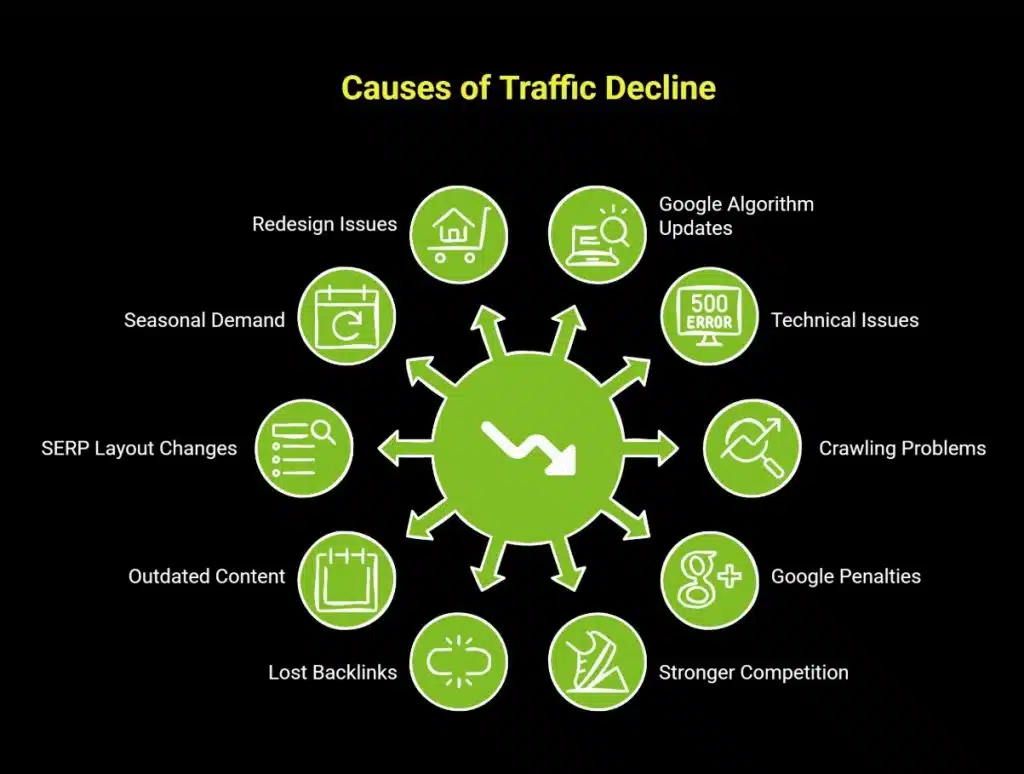
Declining organic traffic can result from many factors, including algorithm updates, increased competition, outdated content, changing user behavior, and technical issues. Understanding the underlying cause is essential for developing an effective recovery strategy.
The most successful websites focus on continuous improvement, high-quality content, strong technical foundations, and user-centered experiences. By adapting to evolving search trends and investing in long-term value, businesses can restore visibility and build a stronger online presence.
Organic traffic may be changing, but opportunities still exist for websites that prioritize trust, relevance, and genuine usefulness. In today’s digital environment, sustainable growth comes from serving users better than the competition and consistently delivering information that meets their needs.
About the Author