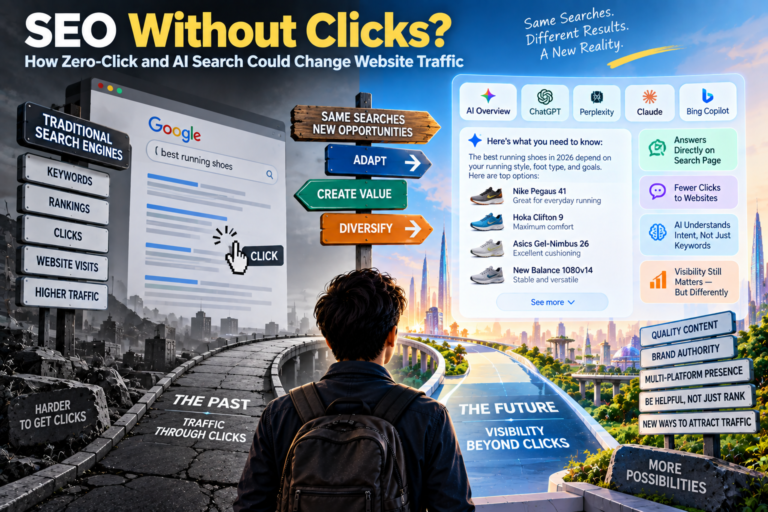
For years, businesses and marketers measured SEO success primarily through search engine rankings. Achieving a position on the first page of Google, especially within the top three results, was often considered the ultimate goal. Higher rankings typically meant more visibility, more clicks, and more opportunities to generate leads or sales.
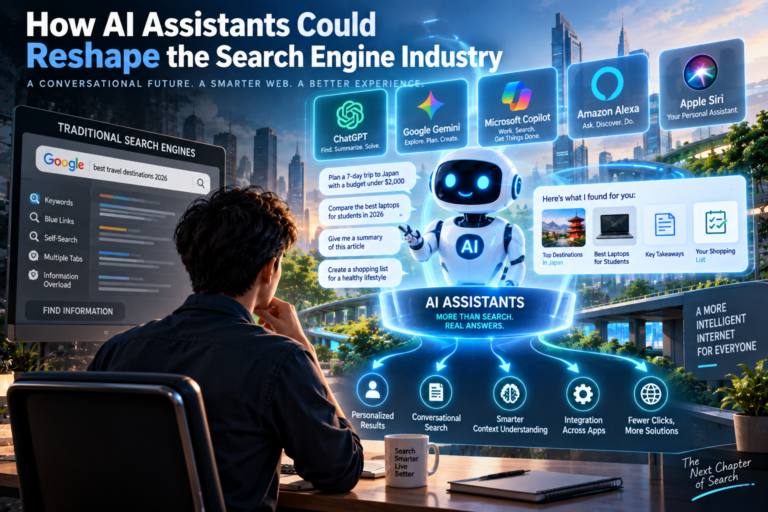
However, the search landscape is changing rapidly. Artificial intelligence is transforming how users discover information online. AI-powered search engines, conversational assistants, and answer-based search experiences are reducing the importance of traditional rankings while increasing the value of something far more powerful: brand authority.
In the AI search era, businesses can no longer rely solely on ranking for keywords. Instead, they must focus on building trust, credibility, and recognition. As search technology evolves, brand authority may become one of the most important factors determining long-term online visibility and success.
Understanding Brand Authority
Brand authority refers to the level of trust, expertise, and credibility that a business has established within its industry or market.
A brand with strong authority is recognized as a reliable source of information, products, or services. Customers trust its recommendations, search engines recognize its expertise, and industry professionals often reference its content.
Brand authority is built through:
- Consistent content creation
- Demonstrated expertise
- Positive customer experiences
- Industry recognition
- Strong reputation
- Thought leadership
Unlike rankings, which can fluctuate due to algorithm updates or competitive pressures, brand authority tends to grow over time and provide lasting value.
The Traditional Importance of Rankings
Historically, SEO focused heavily on rankings because search engines displayed lists of website links. The higher a page appeared in search results, the more likely users were to click it.
Businesses invested in:
- Keyword optimization
- Link building
- Technical SEO
- Content marketing
The goal was simple: rank higher than competitors.
This strategy worked effectively because users typically reviewed search results and selected websites manually.
However, AI-powered search is beginning to change this behavior.
How AI Search Is Reshaping Visibility
Modern search engines are increasingly integrating artificial intelligence into their search experiences.
Instead of displaying only lists of links, AI systems can now:
- Generate summaries
- Provide direct answers
- Recommend products
- Compare options
- Explain complex topics
When users ask questions, they often receive immediate responses without visiting multiple websites.
For example, a search such as:
“What are the best cybersecurity practices for small businesses?”
may produce an AI-generated summary that references information from multiple sources.
In these situations, users may never see the traditional ranking positions that once dominated SEO discussions.
This shift means visibility is no longer tied exclusively to rankings.
Why Brand Recognition Influences Trust
One reason brand authority is becoming increasingly valuable is that users naturally trust familiar names.
When people encounter a recognized brand within search results, AI summaries, social media content, or industry discussions, they are more likely to view that information as credible.
Strong brands benefit from:
- Higher trust levels
- Increased engagement
- Greater customer loyalty
- Better conversion rates
Even if users do not immediately click through to a website, repeated exposure strengthens brand awareness.
Over time, familiarity creates confidence.
In an AI-driven environment where users may interact with summarized information, trusted brands have a significant advantage.
AI Systems Prefer Authoritative Sources
Artificial intelligence relies on information from trusted sources to generate accurate responses.
Search engines want to provide users with reliable information. To achieve this goal, they increasingly prioritize content from sources that demonstrate expertise and credibility.
This aligns closely with Google’s E-E-A-T principles:
- Experience
- Expertise
- Authoritativeness
- Trustworthiness
Brands that consistently publish high-quality content and establish industry leadership are more likely to be referenced by AI-powered systems.
In other words, authority helps determine which voices are amplified in the AI search ecosystem.
The Decline of Click-Based Success Metrics
For many years, website traffic was the primary measure of SEO success.
Today, however, the rise of zero-click searches is changing how businesses evaluate visibility.
A zero-click search occurs when users obtain the information they need directly from search results without visiting a website.
Examples include:
- Definitions
- Weather forecasts
- Product comparisons
- AI-generated summaries
- Quick answers
As these experiences become more common, ranking first may not always generate the same volume of traffic it once did.
Brand exposure and recognition may become equally important, if not more valuable, than individual clicks.
Strong Brands Generate Direct Traffic
One of the biggest advantages of brand authority is its ability to generate traffic independently of search rankings.
Users who trust a brand often:
- Visit its website directly
- Subscribe to newsletters
- Follow social media channels
- Recommend it to others
- Search specifically for the brand name
This reduces dependence on algorithm changes and ranking fluctuations.
Businesses with strong brand recognition are less vulnerable to shifts in search engine behavior because they have built direct relationships with their audiences.
Content Quality Builds Authority
Building brand authority requires consistently producing valuable content.
High-authority brands typically publish:
- In-depth guides
- Original research
- Industry analysis
- Case studies
- Expert commentary
- Educational resources
Content should focus on helping users rather than simply targeting keywords.
As AI systems become better at evaluating content quality, businesses that prioritize genuine value are more likely to earn visibility and trust.
Authority is earned through expertise, not shortcuts.
The Role of Thought Leadership
Thought leadership is becoming increasingly important in the AI search era.
Businesses that share unique insights, innovative ideas, and expert perspectives often stand out from competitors.
Thought leaders contribute value by:
- Identifying industry trends
- Offering expert analysis
- Sharing practical experiences
- Challenging conventional thinking
These contributions help establish credibility and strengthen brand authority over time.
AI systems may also view such content as a valuable source of information when generating responses.
Diversifying Beyond Search Rankings
Businesses should continue investing in SEO, but rankings should no longer be the sole focus.
A balanced digital strategy includes:
- Content marketing
- Email marketing
- Social media engagement
- Video content
- Community building
- Public relations
These channels contribute to brand recognition and help create a broader digital presence.
The strongest brands are visible across multiple platforms, not just search engines.
The Future of Search Favors Trusted Brands
As AI continues to reshape online discovery, trust will become increasingly valuable.
Users want reliable information, and AI systems need dependable sources to generate accurate answers.
Brands that consistently demonstrate expertise and credibility will be better positioned to maintain visibility, regardless of how search interfaces evolve.
While rankings will remain relevant, authority will likely become the foundation upon which future visibility is built.
Businesses that focus solely on rankings may struggle to adapt, while those that invest in reputation and trust are more likely to thrive.
Conclusion
The AI search era is changing the rules of digital visibility. Traditional rankings remain important, but they are no longer the only factor determining online success. As search engines become more intelligent and answer-focused, brand authority is emerging as a critical competitive advantage.
Businesses that build trust, demonstrate expertise, and create valuable content will be better positioned to succeed in a future where visibility extends beyond search results pages. Strong brands attract loyal audiences, generate direct traffic, and earn recognition from both users and AI-powered systems.
In the years ahead, the most successful organizations will not simply be those that rank the highest. They will be the ones that become the most trusted voices in their industries. Brand authority is no longer just a marketing asset—it is becoming one of the most important drivers of visibility in the future of search.
About the Author